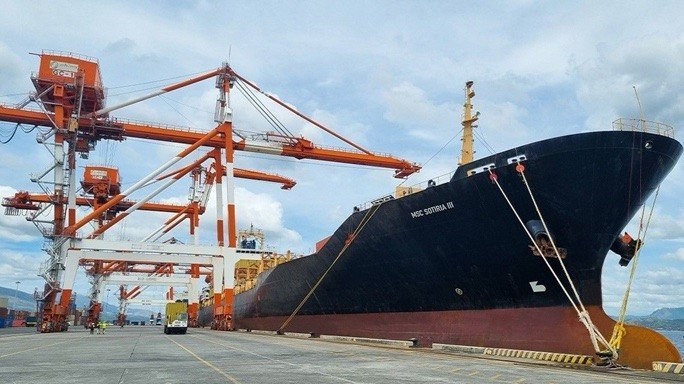
The Subic Bay Metropolitan Authority (SBMA) is strengthening Subic Bay’s role as a logistics and supply chain hub, with its Port Operations Group posting an 8 percent increase in consolidated gross revenue to P874 million in the first half of 2026 despite global economic pressures.
Revenue rose from P806 million a year earlier, as Subic’s port operations remained resilient despite disruptions linked to the Middle East conflict and concerns over fuel supply and logistics costs.
SBMA Deputy Administrator III for Operations Group Ronnie Yambao said the agency balanced revenue growth with measures to shield stakeholders from external shocks.
“We successfully navigated a complex global environment while implementing discount measures totaling approximately P81 million,” Yambao said, referring to measures aligned with Executive Order No. 110 to cushion the impact of the fuel supply crisis.
The Seaport Department remained the group’s main revenue source, generating P683 million, or 78 percent of consolidated revenue, and posting 10 percent growth from a year earlier.
Non-containerized cargo increased 18 percent, led by a 24 percent rise in bulk and break-bulk shipments.
Rice imports surged 88 percent as the government moved to secure stocks ahead of the anticipated El Niño, highlighting Subic’s role in supporting national food security and ensuring the steady movement of essential commodities.
The Trade Facilitation and Compliance Department also recorded a 17 percent increase in revenue following the implementation of the Registration Certificate policy.
Meanwhile, Subic Bay International Airport contributed P123 million despite a 3 percent decline in revenue.
SBMA Chairman and Administrator Eduardo Jose Aliño said the results demonstrate the agency’s ability to adapt to external disruptions while maintaining growth.
“Our first-half results underscore the strength and flexibility of the Port Operations Group,” Aliño said. “We remain committed to not only sustaining growth but also delivering impactful measures to mitigate external disruptions.”
With stronger cargo volumes and continued investments in supply resilience, Subic is positioning itself as more than a port. Its growing role in moving food and other essential goods gives it added importance as the Philippines navigates increasingly unpredictable global supply chains.