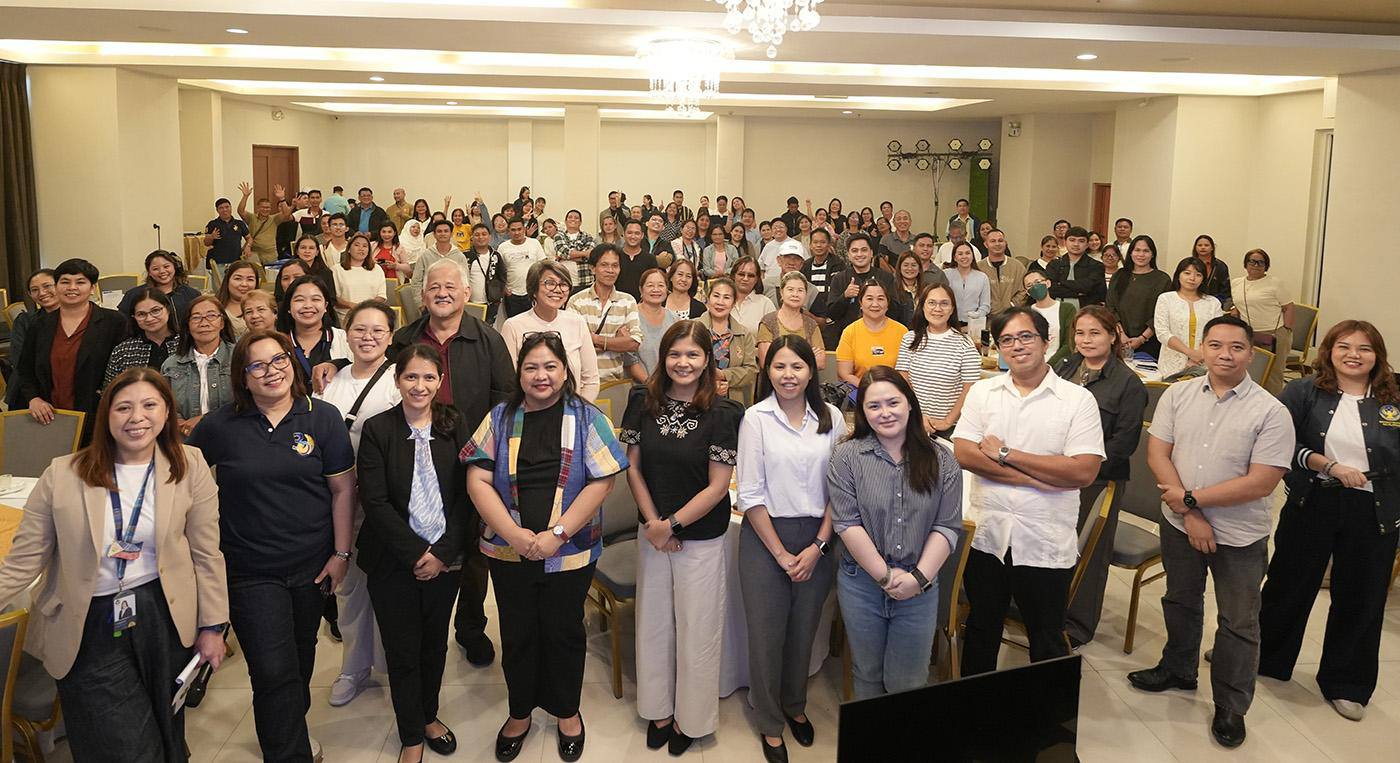
The Bangko Sentral ng Pilipinas (BSP) has completed the third run of its flagship economic and financial literacy initiative, bringing the 2026 Economic and Financial Learning Program (EFLP) to Cabanatuan City on August 18 and 19, advancing the central bank’s policy goal of expanding accessible financial knowledge across underserved communities. Following earlier sessions in Manila and Zamboanga, the Nueva Ecija leg centered on micro, small, and medium enterprises (MSMEs)—a cornerstone of the national economy—under the theme Planong Panalo Para sa Negosyo. The program drew nearly 200 in-person participants and more than 1,100 online attendees, reflecting broad demand for practical financial guidance tailored to business needs.
The initiative aligns with key economic priorities: strengthening MSME competitiveness, fostering responsible financial practices, and accelerating digital financial inclusion—all critical to broad-based economic stability and growth. Sessions covered timely, policy-relevant topics including current national economic trends, cash flow management, responsible borrowing frameworks, and the secure use of digital financial services. Discussions also addressed strategies to build stronger consumer trust and insurance solutions that help enterprises mitigate risks and position themselves for future expansion, equipping business owners with tools that support both individual business sustainability and wider economic resilience.
In her recorded message, BSP deputy governor Bernadette Romulo-Puyat emphasized that sound financial management is foundational to economic health. “It helps a business meet obligations, absorb unexpected expenses, and decide when to borrow or invest,” she noted, underscoring how informed financial decisions translate to more dynamic, productive economic activity across sectors. The event was organized in partnership with the Department of Trade and Industry – Nueva Ecija Provincial Office, and further expanded access to essential financial infrastructure through on-site booths for financial account opening and National ID registration—steps that advance broader policy efforts to bring more Filipinos into the formal financial system.