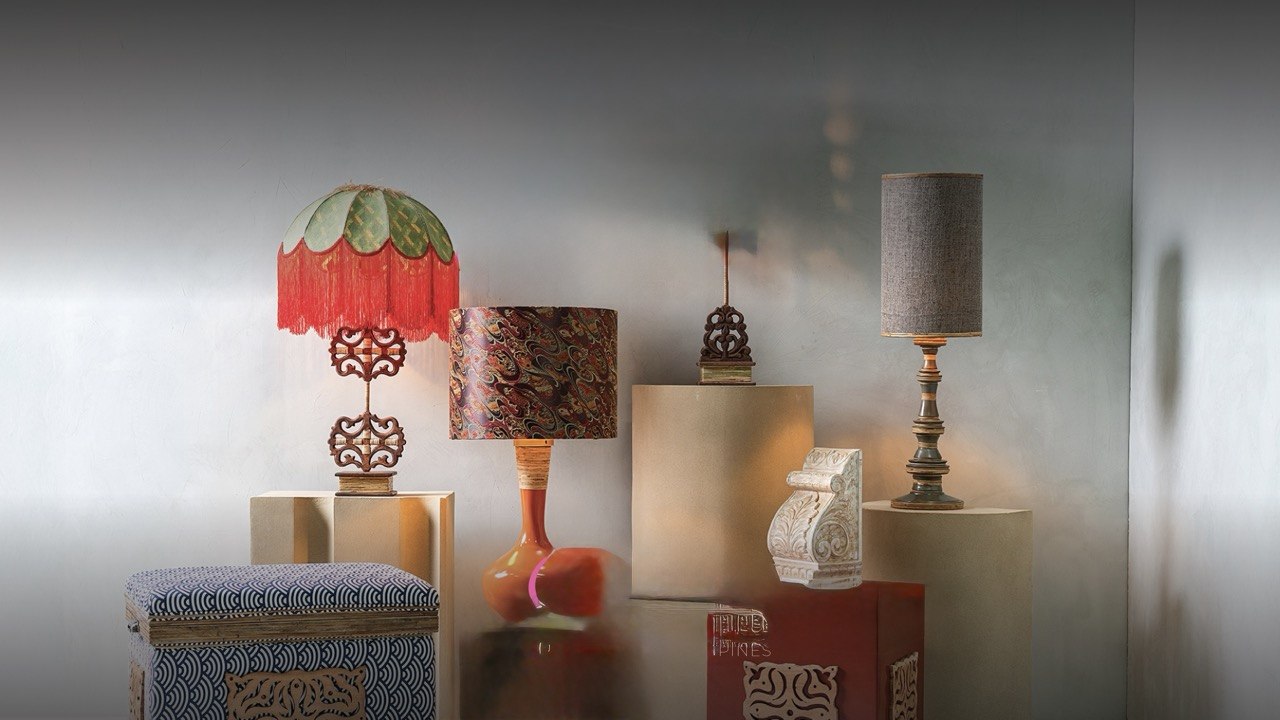
As artificial intelligence, automation, and mass production reshape consumer markets, demand for handmade and distinctive products is creating fresh opportunities for Philippine crafts and design exporters.
The Center for International Trade Expositions and Missions (CITEM) said consumers are increasingly drawn to products that highlight craftsmanship, provenance, sustainability, and artisanal heritage as digital technology becomes more pervasive.
The trend will take center stage at the 74th Manila FAME, which will bring together about 400 Philippine manufacturers and brands at the World Trade Center Metro Manila from Oct. 15 to 17.
CITEM Executive Director Leah Pulido Ocampo said Philippine companies are well positioned to capture the shift, given the country’s deep craftsmanship traditions and expertise in materials such as abaca, rattan, and other natural fibers.
Philippine exhibitors generated strong buyer interest at Maison & Objet in Paris and Ambiente in Frankfurt earlier this year, particularly with contemporary products incorporating indigenous materials, CITEM said.
“What makes this upcoming edition truly special is how it aligns grassroots Filipino artistry with global market readiness,” Ocampo said.
Manila FAME will showcase more than 250 new prototypes developed through several programs. These include 90 home décor and lighting products under Design Commune and 40 furniture and lighting pieces under Home at FAME.
More than 100 additional designs are being developed by 50 regional enterprises through the Artisans Village program, highlighting craftsmanship from Bohol, Aklan, Tarlac, and Isabela.
CITEM is also placing greater emphasis on international accreditation, ethical sourcing, and environmental compliance as global retailers and hospitality companies tighten requirements for suppliers.
The trade show will run alongside the Sustainability Solutions Exchange, which will connect exporters with circular-economy strategies, green technologies, and other solutions designed to help businesses meet evolving international standards.
The convergence of traditional craftsmanship and modern design could give Philippine exporters a distinctive advantage as consumers increasingly value products with a human story, traceable origins, and lower-impact production.