The Philippines is fast-tracking tax treaty updates to cut cross-border tax uncertainty and make the country more competitive for international investment.
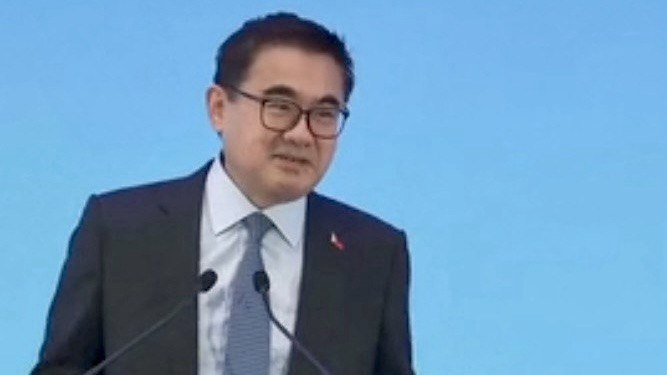
Finance Secretary Frederick Go said the government is accelerating negotiations on new double taxation agreements (DTAs) while modernizing older treaties. Speaking at a Milken Institute event in Singapore, Go cited recently concluded negotiations with Singapore and separate treaty initiatives involving Cambodia, Japan and Liechtenstein.
DTAs establish rules for taxing income earned across jurisdictions, helping businesses avoid overlapping tax liabilities while giving investors greater certainty over international operations.
The Philippines recently concluded negotiations to modernize its nearly five-decade-old tax treaty with Singapore, a major investment partner and regional business hub. Talks held in Singapore from September 22 to 25 covered revisions to the agreement, which dates to 1977.
The updated treaty is expected to clarify taxing rights, strengthen cooperation between tax authorities and reduce compliance uncertainties involving cross-border services, investments and capital flows. The Department of Finance said growing movements of capital, professionals, technology and services between the two economies have increased the need to align tax rules with modern business practices.
Separately, the DOF welcomed the Philippine Senate’s concurrence in the Philippines-Cambodia DTA, signed in February 2025. The agreement is moving closer to entry into force and aims to prevent double taxation while strengthening cooperation against tax evasion and avoidance.
For businesses, the treaty push could improve the predictability of the Philippines’ investment environment, particularly for companies assessing regional expansion and cross-border transactions. Yet the benefits will depend not only on updated treaty provisions but also on their timely implementation and consistent interpretation by tax authorities.
The accelerated negotiations therefore represent more than a technical tax reform. They could help lower transaction costs, improve investor confidence and position the Philippines to compete more effectively for international capital, provided implementation keeps pace with policy commitments.