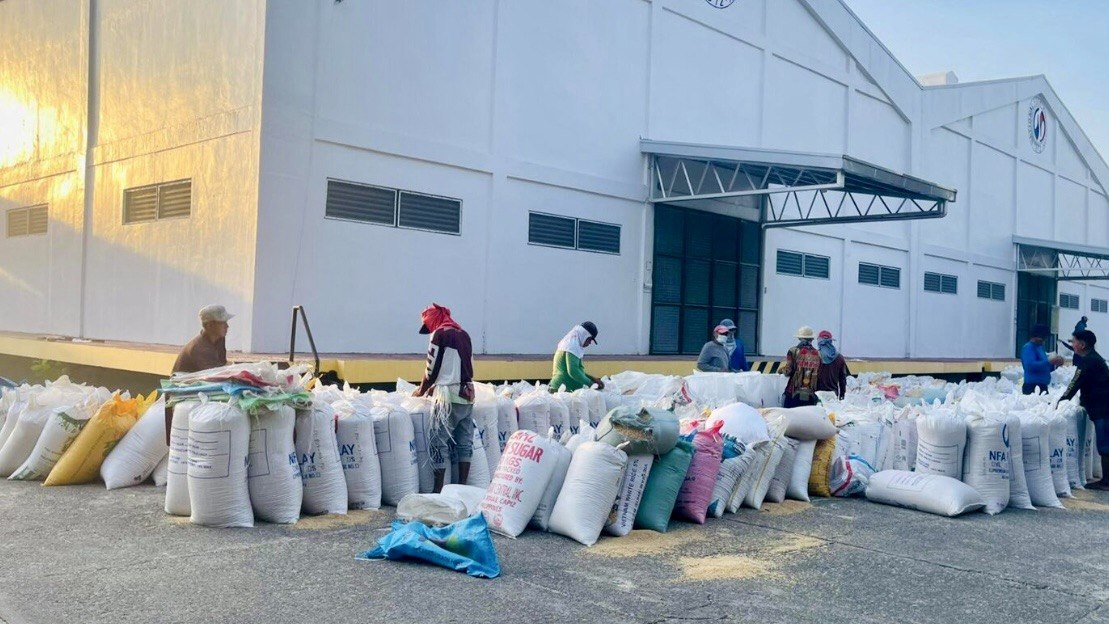
The National Food Authority (NFA) is struggling to meet the government’s 15-day rice buffer stock requirement as stagnant funding, limited storage and inadequate logistics constrain its ability to buy more palay from Filipino farmers.
NFA Administrator Larry Lacson said the agency’s annual procurement budget has remained at P9 billion since 2023, despite rising requirements for emergency rice reserves, storage facilities and distribution.
The funding shortfall limits the agency’s capacity to procure palay directly from farmers, leaving it able to purchase only 4 percent to 5 percent of the country’s total harvest based on its current budget and operational capacity.
NFA buys clean and dry palay at a minimum price of P27 per kilogram, with rates reaching P30 in some areas under its flexible pricing scheme.
The limited procurement reach means most farmers remain outside the agency’s direct buying program, restricting the NFA’s ability to provide a broader market for locally grown rice.
Lacson also cited inadequate warehouses, limited drying and milling capacity, and manpower shortages as major operational bottlenecks.
To address these constraints, the agency is pursuing a nationwide modernization program that includes building 36 warehouses and other facilities, alongside constructing or refurbishing another 133 facilities.
The NFA has also completed the procurement of 150 trucks to improve palay collection and rice distribution. It plans to expand its fleet to 600 units.
The upgrades are intended to strengthen the agency’s ability to purchase palay, maintain emergency rice stocks and distribute supplies during calamities and other disruptions.
However, expanding infrastructure and transport capacity may not be enough to close the procurement gap without additional funding to support larger purchases and higher operating requirements.
The NFA’s limited buying capacity comes as the government seeks to maintain reliable rice reserves while supporting domestic farmers. Meeting the 15-day buffer stock requirement will depend on whether the agency can secure adequate resources and improve its ability to procure, store and move rice efficiently.