The Department of Finance (DOF) is pursuing lower remittance costs and faster access to development financing, targeting transaction expenses that weigh on Filipino households and administrative delays that can slow government programs.
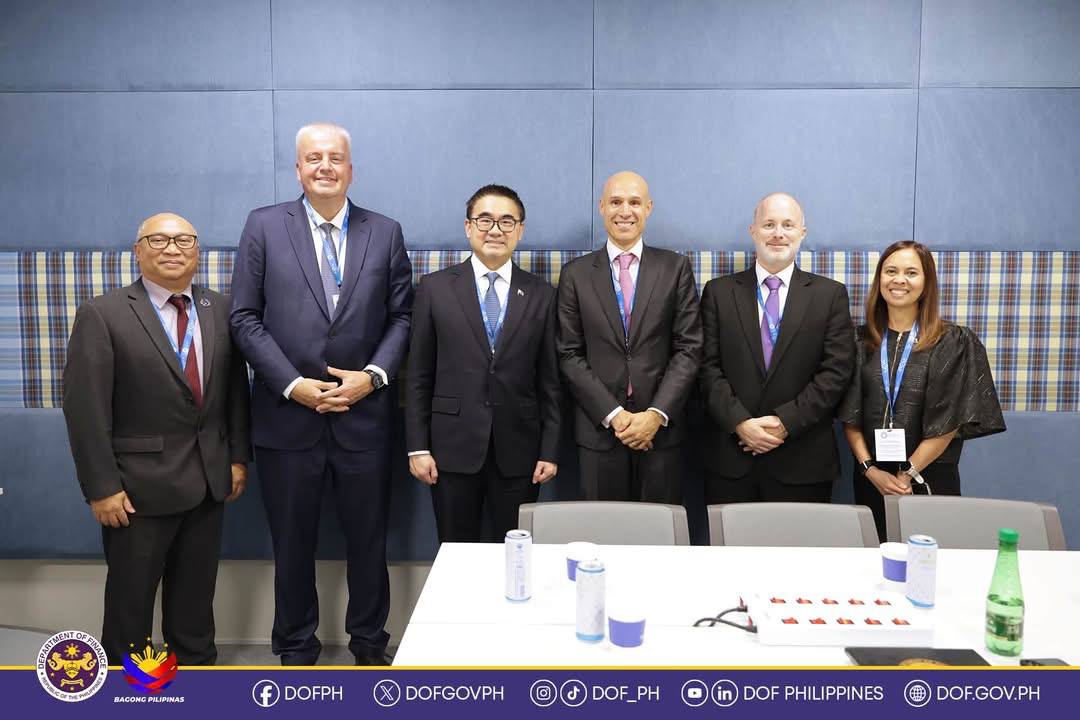
Finance Secretary Frederick Go held separate meetings with global financial institutions on the sidelines of the 2026 International Monetary Fund-World Bank Annual Meetings in Bangkok, Thailand, to discuss ways to improve cross-border payments and accelerate development loan processing.
In a meeting with Swift chief executive Javier Pérez-Tasso, Go explored measures to make international transfers faster, more affordable and more transparent, particularly for overseas Filipino workers (OFWs).
The discussions focused on reducing transaction fees and foreign exchange spreads, which cut into the money received by families in the Philippines. The DOF also explored partnerships with banks and payment providers in major remittance markets, including linking existing payment systems to facilitate transfers directly to Philippine bank accounts and digital wallets.
Go separately met with financial technology company Revolut to explore additional channels for lowering remittance costs and broadening access to legitimate cross-border payment services.
The push comes as remittances remain an important source of household income and foreign exchange for the Philippines. Lower transfer charges could allow families to retain more of the money sent home, although the impact will depend on the fees, exchange rates and services ultimately available to customers.
Beyond retail payments, the DOF is seeking to improve the speed at which the government secures financing for development initiatives.
Go met with World Bank managing director of operations Anna Bjerde to review the institution’s Philippine portfolio, including development policy operations and catastrophe deferred drawdown options in the pipeline.
Both sides agreed to shorten processing timelines to accelerate the release of financing support for development projects.
The two initiatives address different parts of the financial system: the cost of moving money across borders and the time required to mobilize public development funding. Their effectiveness will depend on whether discussions translate into concrete payment arrangements and more efficient financing procedures.
For the DOF, the broader objective is to reduce friction in financial transactions while improving the flow of funds to households and government priorities.