The Department of Transportation (DOTr) is improving connectivity to Siargao Island through an expanded airport passenger terminal and upgraded port facilities, aiming to accommodate growing tourism demand and provide travelers with better air and sea transport options.
Transportation Secretary Giovanni “Banoy” Lopez said during the Economic Journalists Association of the Philippines (EJAP) Forum that the expanded Siargao Airport terminal was scheduled for completion in October.
The project involves installing a modular terminal facility that will increase pre-departure capacity to 750 passengers from 200, easing overcrowding and improving passenger convenience, particularly during peak travel periods.
“We committed that we have to fix this passenger terminal. So, this October, the new airport will be completed,” Lopez said.
He emphasized that infrastructure projects can be delivered within relatively short periods when implementation is properly managed and supported by effective oversight and auditing.
“In less than one year, as long as the project is implemented properly, and the audits are done, it will be completed,” he said.
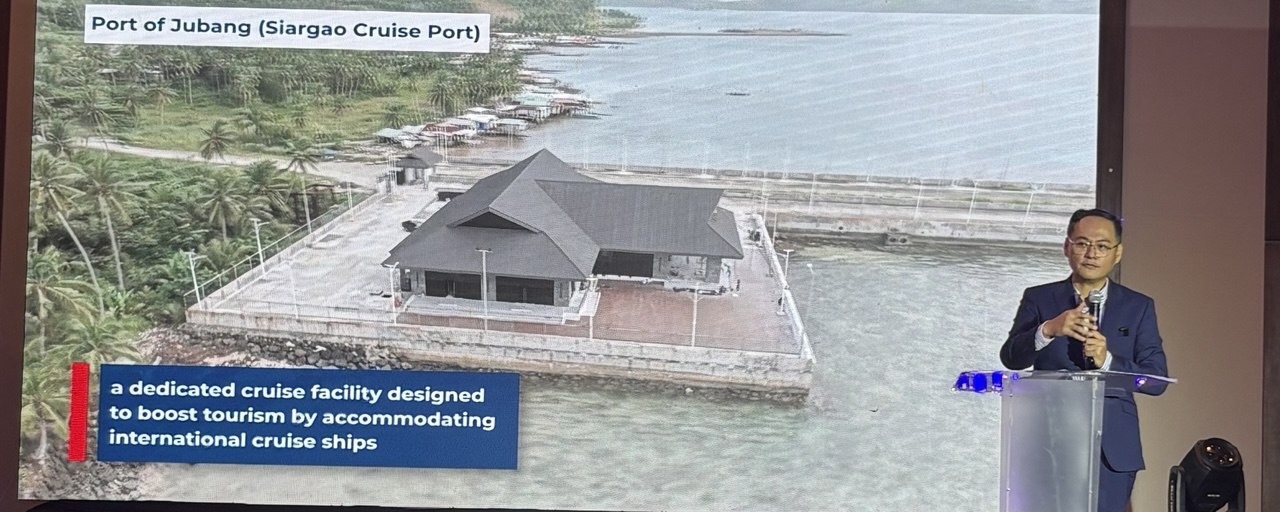
Complementing the airport expansion is the Port of Jubang, also referred to as the Siargao Cruise Port, a dedicated cruise facility designed to accommodate international cruise ships.
The port improvements are expected to strengthen maritime connectivity, giving visitors additional options for reaching the popular surfing and tourism destination.
Lopez also highlighted the affordability of sea travel, noting that maritime transport can provide more economical alternatives to air travel for passengers seeking budget-friendly journeys.
The airport and port initiatives form part of the DOTr’s broader strategy to improve transportation links to major tourism destinations while addressing infrastructure bottlenecks through projects with shorter implementation timelines.
Improved passenger handling capacity and expanded maritime access could help Siargao accommodate more visitors, support tourism-related businesses and strengthen economic activity across the island.
The investments underscore the importance of reliable transport infrastructure in sustaining tourism growth, improving the travel experience and connecting island communities to wider domestic and international markets.