



Malacañang has deferred signing an executive order on the minimum access volume (MAV) for corn imports, citing concerns that its implementation could undermine local farmers’ earnings during the ongoing harvest season.
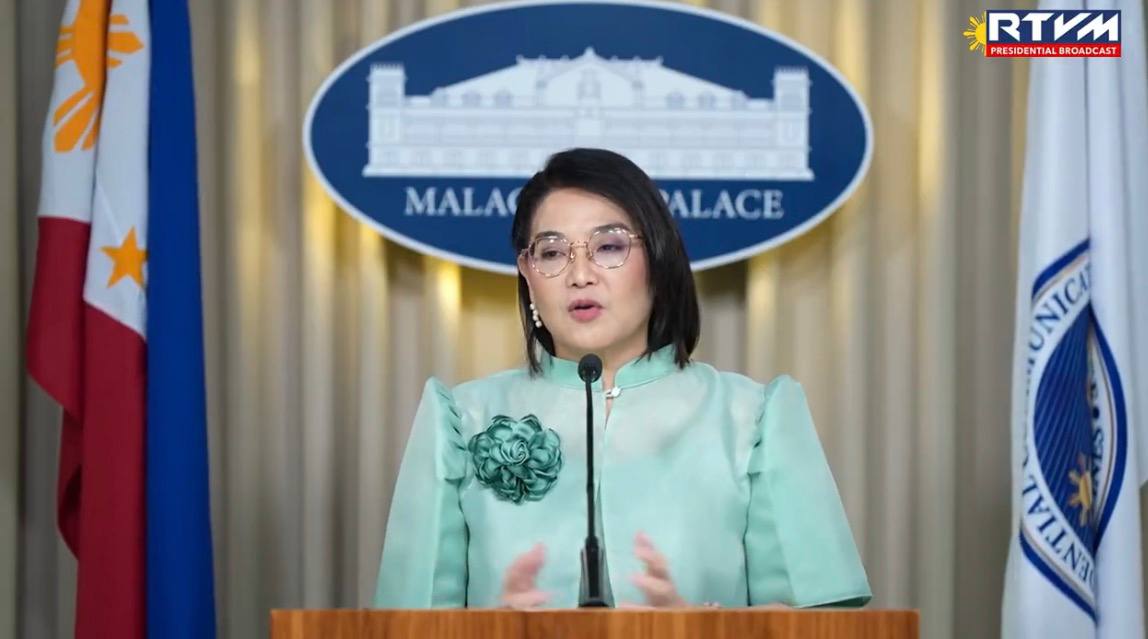
Presidential Communications Office Undersecretary Claire Castro said the Department of Agriculture (DA) is coordinating with the Palace to determine when the measure should take effect, considering its potential implications for domestic corn growers and the animal feed industry.
“Nakikipag-ugnayan po ang DA sa Palasyo dahil sa ngayon po, hindi pa pinipirmahan ang executive order dahil maaaring makaapekto ito sa ngayon sa local feed sector at sa mga farmers ng mais, ng corn, dahil harvest season po sa ngayon,” Castro said.
The MAV system allows designated quantities of agricultural commodities to enter the country at reduced tariff rates, while imports exceeding the quota generally face higher duties. Adjustments to the corn import quota could therefore affect both domestic crop prices and the cost of raw materials used by livestock and poultry producers.
For corn farmers, increased access to cheaper imported supplies could intensify competition during a period when newly harvested produce is entering the market. A potential decline in farmgate prices could put pressure on growers’ incomes, particularly those with limited storage capacity or urgent cash-flow needs.
Feed manufacturers and livestock producers, however, also have a stake in the policy. Corn is a key ingredient in animal feed, and import arrangements can influence supply availability and production costs across the poultry and livestock value chain.
Castro said officials are weighing the timing of the executive order to avoid disrupting the market during the harvest period.
“So binabalanse po sa ngayon kung kailan dapat ito pirmahan dahil kung harvest season, maaapektuhan po yung ibang mga magsasaka natin,” she said.
The Palace has yet to announce a signing date, pending further coordination with the DA.
The delay highlights the policy challenge of balancing farm protection with affordable feed supplies. The eventual decision will depend not only on timing, but also on how import volumes, tariff arrangements and domestic harvest conditions affect farmers, feed producers and consumers.




