Prime Midstream expects demand for natural gas to remain strong as the Philippines faces growing electricity needs, volatile fuel prices and the challenge of balancing renewable energy growth with reliable power supply.
Gas-fired plants remain crucial to meeting demand, particularly in the evening when solar generation declines, Prime Midstream President and CEO Donnabel Kuizon Cruz said.
“We see ourselves being asked to deliver more than our capacity now, which means that very reliable and affordable power sources are still much needed,” Cruz told Japanese media during an interview at the Philippine NatGas Complex in Batangas City.
She cited El Niño and continued market volatility as factors putting pressure on electricity prices, highlighting the need for dependable generation and a diversified fuel supply.
Cruz, who also heads upstream company Prime Energy, said indigenous Malampaya gas can help cushion consumers against swings in international liquefied natural gas (LNG) prices.
“Indigenous gas price is usually historically lower than LNG prices, be it spot or term LNG. So it helps to cushion the market price spikes that LNG experiences,” she said.
Domestic gas can help temper exposure to global price shocks, although the benefit depends on available local supply and the volume of imported LNG needed to meet demand.
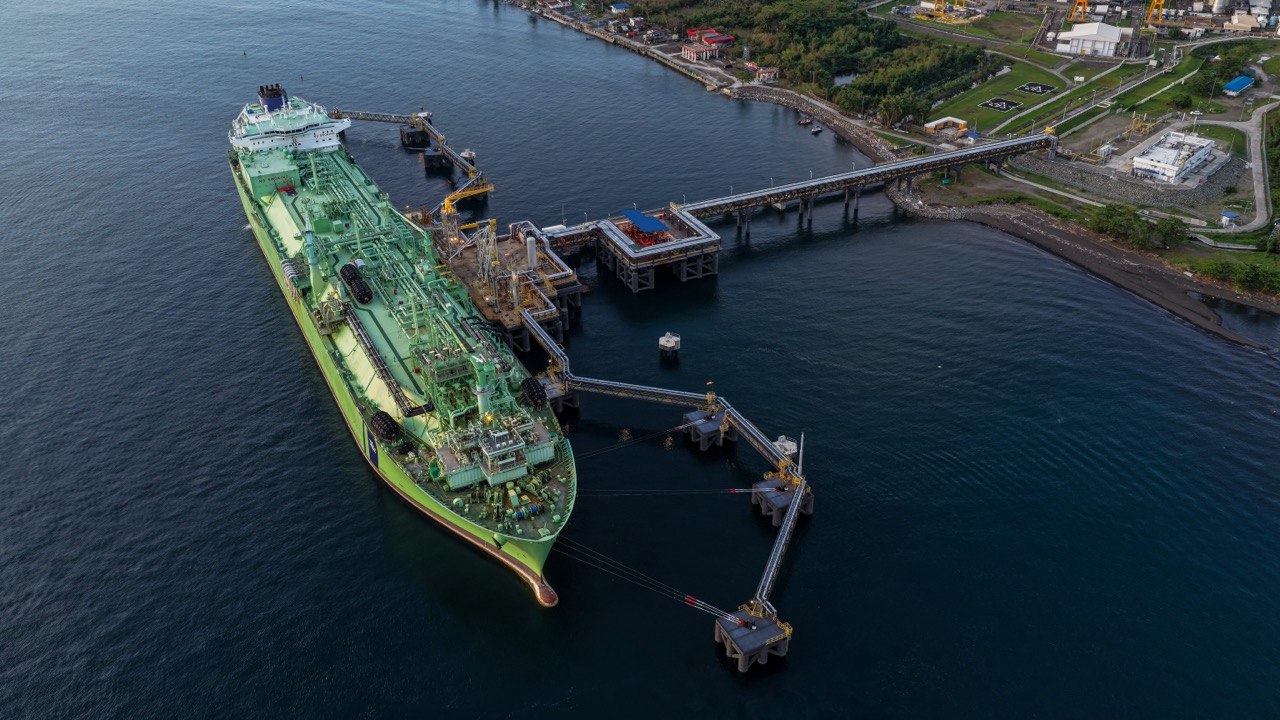
Prime Midstream’s LNG terminal in Batangas provides power plants with an additional source of fuel. The facility is owned 60 percent by Prime Infra, with First Gen and Tokyo Gas holding 20 percent each.
Beyond power generation, the company plans to expand its natural gas infrastructure services to industrial customers and is exploring opportunities in the Visayas and Mindanao, Cruz said.
The expansion could open new markets for natural gas, but its commercial prospects will depend on infrastructure costs, fuel prices and demand from prospective customers.
As the Philippines expands renewable energy capacity and seeks more reliable electricity, Prime Midstream is betting that natural gas will remain an important part of the power mix. The challenge will be to meet that demand affordably while managing the country’s continued exposure to imported fuel prices.