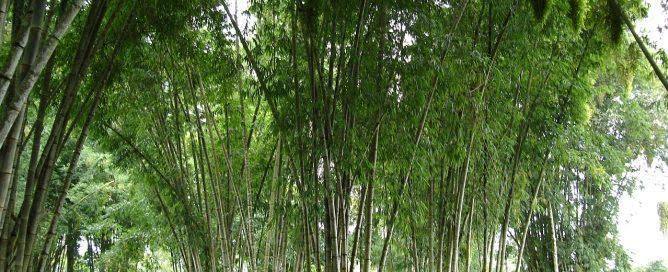
The Philippines has plenty of bamboo-growing land. What it lacks is enough businesses turning the fast-growing grass into products worth considerably more than garden stakes and handicrafts.
With the global bamboo market projected to exceed USD73 billion this year, local enterprises have an opportunity to turn underused agricultural land into a source of higher-value exports, provided they invest in modern processing technology and move beyond traditional products, an industry leader said.
Dennis Orlina, president and Philippine representative of the ASEAN Handicraft Promotion and Development Association, said less than 3.5 percent of the country’s 1.5 million hectares suitable for bamboo cultivation is being utilized.
That leaves a substantial production base untapped just as international demand grows for alternatives to plastic, conventional timber and metal.
“The industry is experiencing steady growth driven by a worldwide transition toward eco-friendly alternatives to plastics, timber and metal,” Orlina said during a recent Department of Trade and Industry-Rizal webinar.
But planting more bamboo is only part of the equation. Orlina urged businesses to acquire machinery and advanced processing technology to manufacture engineered bamboo and other products that command higher prices.
He encouraged entrepreneurs to move beyond basic handicrafts and explore engineered bamboo for contemporary architectural designs and climate-resilient construction materials.
The opportunities extend well beyond building supplies. Bamboo charcoal can be used in skincare products, while its fibers offer potential for hypoallergenic cosmetic applicators and biodegradable packaging for premium consumer goods.
Demand is also emerging in luxury hospitality, eco-tourism and sustainable interior design, giving bamboo a foothold in markets where aesthetics and environmental credentials can carry a premium.
DTI-Rizal officer-in-charge provincial director Sharon Dioco said the agency’s Business Development Division is helping growers and entrepreneurs explore commercial applications in infrastructure, furniture, textiles and charcoal.
For the Philippines, the challenge is no longer simply growing more bamboo. It is building the processing capacity and market connections to ensure that more of its value stays with local producers and businesses.