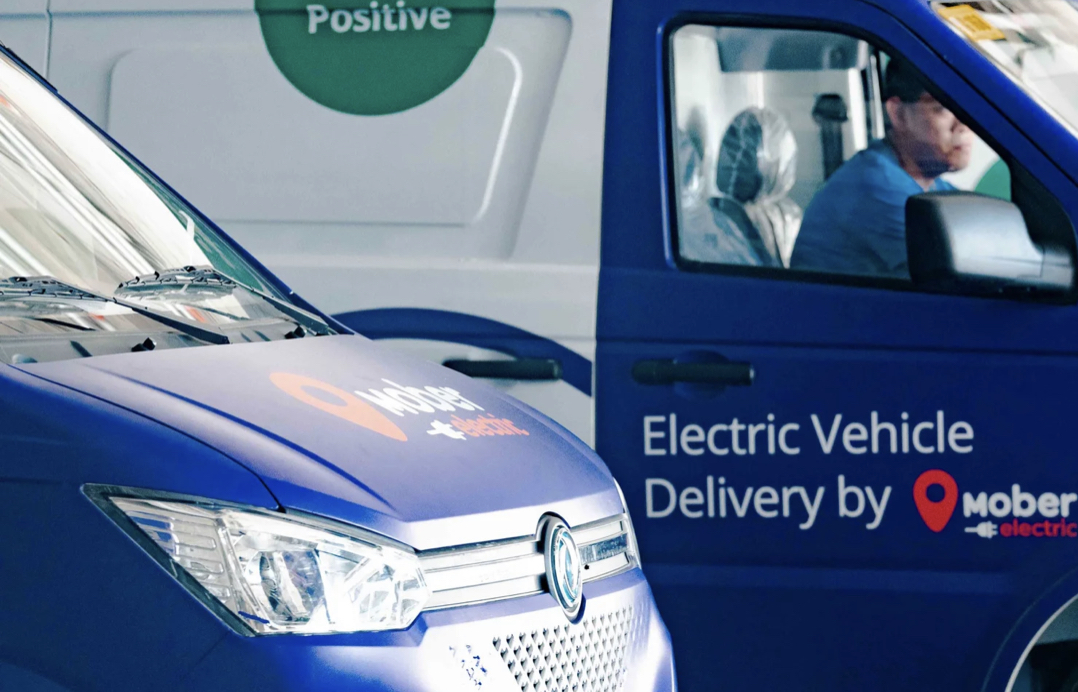
Philippine logistics firm Mober is accelerating its shift to electric vehicles (EVs) but warns that steep upfront costs, limited financing, and insufficient charging infrastructure continue to slow large-scale adoption.
Speaking at a recent industry forum, Chief Executive Officer Dennis Ng said the company is actively pursuing alternatives to traditional internal combustion engine (ICE) fleets, citing long-term efficiency gains. However, the transition remains capital-intensive. “EVs offer lower operating and maintenance costs, but acquisition is still a challenge,” Ng noted.
A typical four-wheeler ICE truck costs around P1 million, while an electric counterpart can reach about P2.1 million—more than double the price. This gap has proven a major deterrent, particularly as commercial banks remain hesitant to finance EV fleets.
“The biggest challenge is financing,” Ng said, pointing to lender concerns over battery life, asset depreciation, and resale value. Without clear benchmarks, banks are reluctant to underwrite EV investments, creating a funding bottleneck for logistics operators.
Infrastructure gaps add to the challenge. Although charging stations are gradually being rolled out nationwide, most are designed for passenger vehicles rather than commercial trucks. “The chargers we see are not built for logistics fleets,” Ng explained.
In response, Mober has begun building its own ecosystem. The company now operates 150 electric units and recently established a 4,000-square-meter charging hub in Pasay City tailored for light-duty trucks. It has also deployed charging ports at client facilities, particularly for large consumer goods partners.
Ng emphasized that technology could help unlock financing. Mober has developed an in-house battery management system to track performance and lifespan, aiming to provide data that reassures lenders. “If we can demonstrate batteries lasting up to 10 years, financing will follow,” he said.
He added that broader industry alignment will be critical to accelerating the country’s transition to cleaner transport.