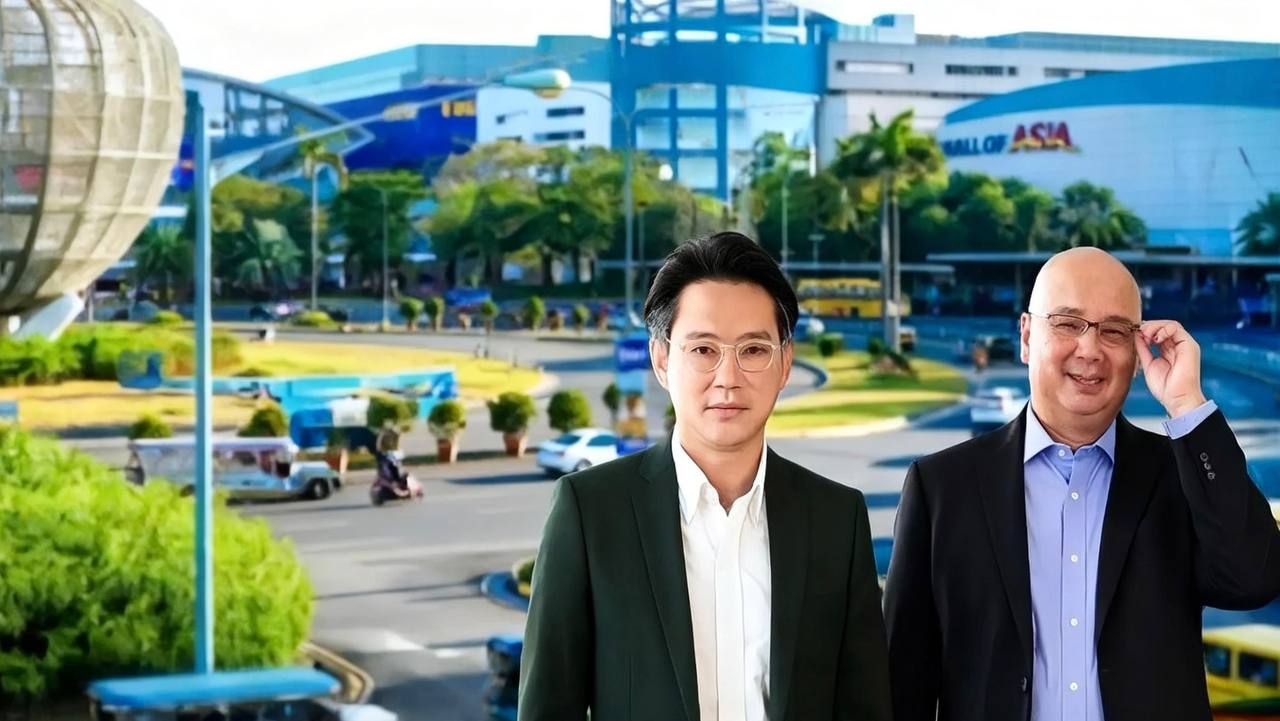
SM Prime Holdings Inc., the property development arm of the Sy Group, is counting on its shopping mall segment to remain the cornerstone of growth, as strong occupancy rates and resilient consumer activity continue to drive stable recurring income.
SM Prime president Jeffrey Lim said malls will continue to account for the bulk of company earnings, supported by sustained leasing demand across its Philippine portfolio. “The malls will continue to provide the main bulk of our recurring business,” he said.
In the first quarter of 2026, malls remained the group’s largest revenue contributor, generating P20.4 billion, up 8 percent from P18.9 billion a year earlier. The segment accounted for 61 percent of total revenues, buoyed by high occupancy levels and continued interest in experiential retail offerings.
Lim expressed cautious optimism for the rest of the year, noting that the company expects malls to maintain their growth trajectory.
“If you look at the first quarter, malls has still grown. Hopefully, in the second, third, and fourth quarters, malls will be able to continue to deliver the recurring business,” he said.
Despite macro pressures such as rising fuel costs and shorter mall operating hours introduced in late March, foot traffic has remained steady.
Steven Tan, president of SM Supermalls, said visitor numbers held firm year-on-year, while tenant sales surged.
“I’m quite surprised—pleasantly surprised—that foot traffic did not drop at all,” Tan said. “It’s exactly the same as last year, but sales went up to nearly double. That’s a good indication.”
Tan added that the company continues to prepare for potential headwinds, while also positioning for new opportunities. Interest from foreign brands remains robust, with prospective entrants actively visiting SM malls to explore expansion into the Philippine market.
“They were quite surprised and very positive about what they saw,” he said.
SM Prime is rolling out programs aimed at supporting both its own operations and its tenants, sustaining the momentum and reinforcing stability as it navigates an evolving retail landscape.