The Philippines has stayed off the United States’ intellectual property watchlist for a 13th straight year, underscoring sustained progress in enforcement even as risks tied to counterfeit goods persist.
In its 2026 Special 301 Report released April 30, the Office of the US Trade Representative (USTR) again excluded the Philippines from its monitoring lists, which flag trading partners with IP protection concerns. The annual review evaluates more than 100 economies on the strength and effectiveness of their intellectual property regimes.
The report also singled out the Philippines for “Illustrative Best Intellectual Property Practices,” a recognition that highlights targeted improvements while stopping short of declaring comprehensive protection across all sectors.
Among the cited initiatives were the establishment of specialized IP enforcement units and courts, which authorities credit with strengthening efforts against piracy and counterfeiting.
The USTR likewise noted the rollout of the Department of Trade and Industry’s e-Commerce Bureau in March 2024, a move designed to tighten oversight of online marketplaces where counterfeit goods are often sold.
The bureau is expected to formalize coordination with the Intellectual Property Office of the Philippines through a memorandum of understanding targeted for completion in 2026, further aligning enforcement and regulatory efforts.
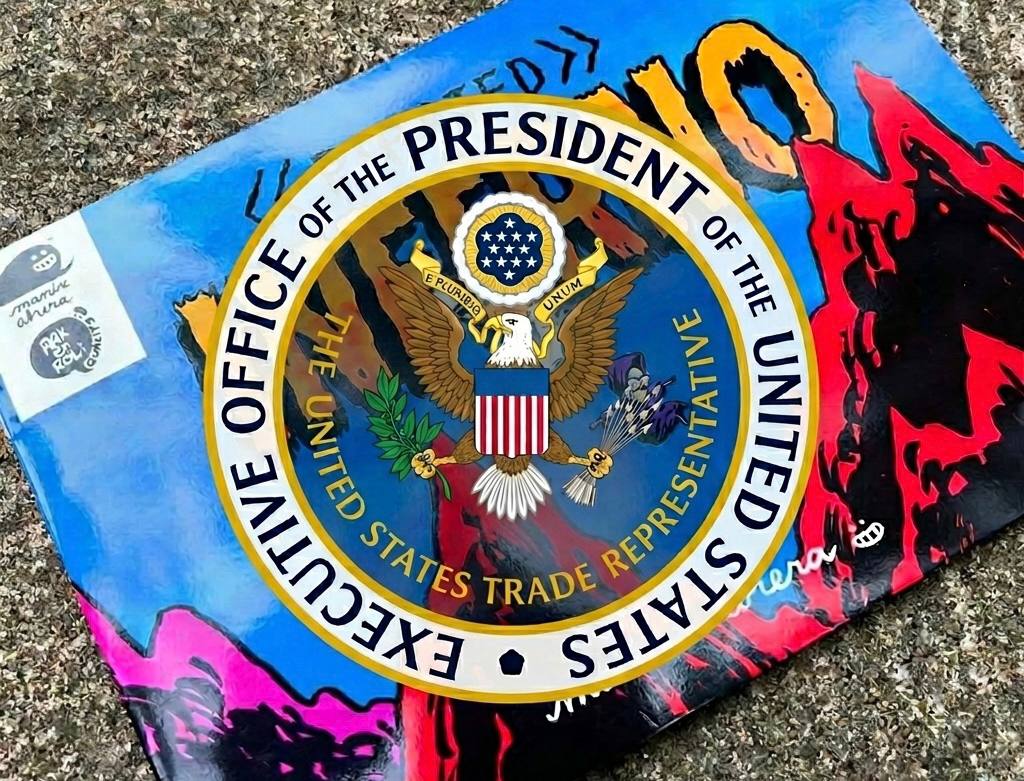
Public awareness campaigns have also played a role. The USTR pointed to initiatives led by IPOPHL, including the “Pirated Inferno” comic series and the National Judicial Colloquium on IP adjudication, as examples of efforts to build broader compliance and understanding of IP laws.
Still, challenges remain. The report flagged ongoing concerns over counterfeit pharmaceuticals, citing a 2020 study by the Organisation for Economic Co-operation and Development and the European Union Intellectual Property Office.
The study identified the Philippines as among the leading sources of counterfeit medicines globally—an issue that carries heightened risks to consumer health, particularly as illicit sales increasingly shift online.
This year’s Special 301 Report placed 25 economies on its watchlists. The Philippines’ continued exclusion signals stable progress, though authorities face mounting pressure to address gaps in high-risk sectors such as pharmaceuticals and e-commerce.