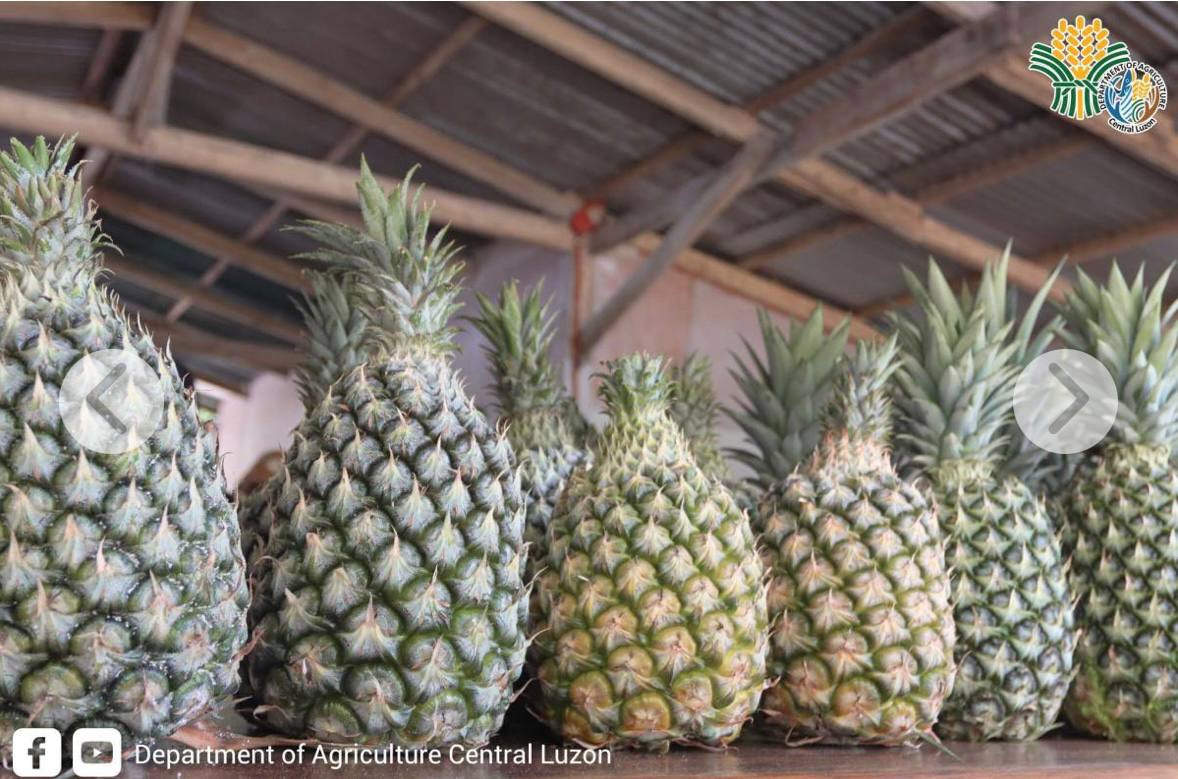
The Department of Agriculture (DA) has begun fulfilling fresh pineapple orders from the United Arab Emirates (UAE), marking a major push into the Middle East market and reopening key trade routes despite ongoing logistical challenges.
A send-off ceremony was held last Saturday at Unifrutti Port in Davao City for the maiden commercial shipment, led by the Bureau of Plant Industry and DA officials. Organized by exporter Mensch Fil-Am Corp. under president Racquel Simon, the cargo carries 18 metric tons of premium MD2 pineapples—packed in 1,500 boxes and sourced from farms in Tampakan, South Cotabato. It is due to arrive at Khorfakkan Port between June 25 and 26.
Agriculture Secretary Francisco Tiu Laurel Jr. called the move a strategic step to expand overseas markets and deliver direct economic gains to farming communities. He emphasized that each export shipment translates to higher farm incomes, more local jobs, and greater value addition, with the government’s focus going beyond volume to building a competitive, inclusive agricultural sector. The DA also aims to attract more investments, support sustainable livelihoods, and integrate rural areas into broader economic growth.
This breakthrough comes amid persistent supply chain disruptions and high freight costs caused by the Red Sea crisis, highlighting both the resilience of Philippine exporters and the rising global standing of the country’s high-value crops. The successful delivery also confirms full compliance with strict international phytosanitary rules and UAE import standards, clearing the way for future shipments across the Gulf region.
Beyond trade, the initiative is seen as a catalyst for stronger Philippines-UAE ties and a gateway to wider Middle East opportunities. It also supports national efforts to reduce the agricultural trade deficit, which stood at $11.1 billion in 2025 even after a 5 percent year-on-year improvement. Official data shows the country produced 2.87 million metric tons of pineapples in 2025, a slight 1.7 percent drop from 2024’s output, making market expansion even more critical for the sector.