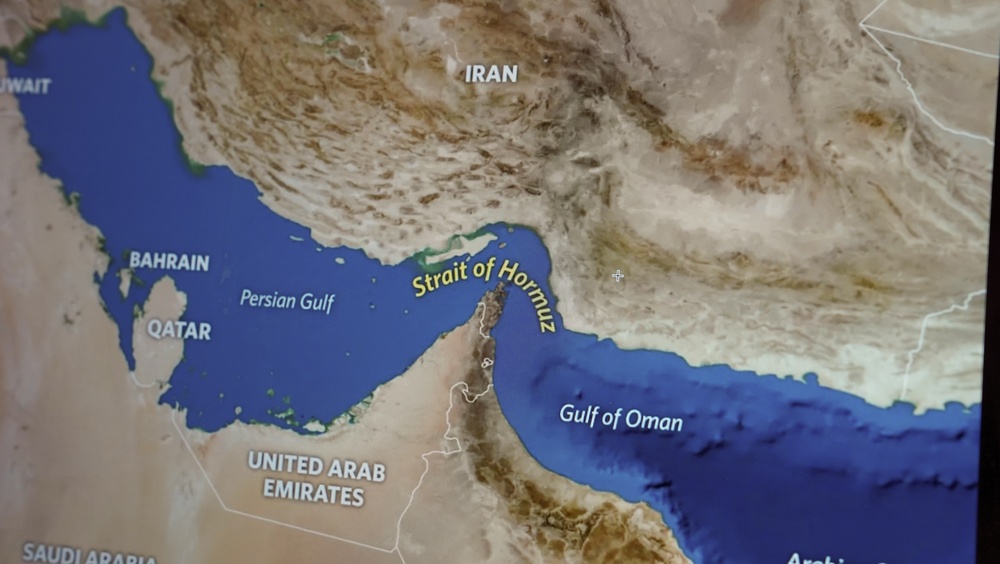
Energy and agriculture leaders warn of significant risks to fuel supply, prices, and food security after Iran announced it is closing the Strait of Hormuz, and threatening to fire on any vessel attempting to transit. This development follows reported attacks by the United States against Iran, according to a Reuters report.
The strait is the world’s most critical oil transit route, carrying more than 20 percent of global oil and gas exports—supplies that also support fertilizer production, making it vital to food systems worldwide.
Department of Energy Secretary Sharon Garin said the Philippines must remain watchful, noting that while suppliers have diversified sources, the country is not yet fully insulated from disruption. She cautioned that fuel prices will likely rise, but her greater concern is whether supplies can be sustained if the closure drags on. She urged consumers to return to energy-saving habits, adding that while long-term contracts currently provide stability, prolonged tensions could test this arrangement.
Jetti Petroleum president Leo Bellas said that global fuel costs are set to climb again amid heightened Middle East tensions. The risk of attacks on allied energy infrastructure adds to fears of severe supply shortages, though he noted prices could stabilize if diplomacy succeeds. Data from the DOE shows local fuel rates have eased since peaking in April—when diesel averaged ₱153.70 per liter in Metro Manila—with latest figures as of early June showing diesel at ₱76.20 and gasoline at ₱74.90.
RCBC chief economist Michael Ricafort warned the situation could inflation higher, leading to interest rate hikes by the Bangko Sentral ng Pilipinas and other major central banks.
For agriculture, the impact is seen as long-lasting. Philippine Chamber of Agriculture and Food president Danilo Fausto called the strait issue a recurring challenge and urged the Department of Agriculture to act proactively to protect food security. Industry group executive director Jayson Cainglet explained the crisis creates a “double whammy”: higher fuel and production costs squeeze farmers, while weaker consumer spending keeps farm-gate prices low and intensifies competition from imports. He called for targeted fuel subsidies, logistics support, and stronger government purchasing programs for local produce.
Even before development, the United Nations Food and Agriculture Organization warned that closing the strait could trigger a systemic food shock within six to 12 months, unless countries quickly secure alternative routes, avoid export bans, and protect food shipments.