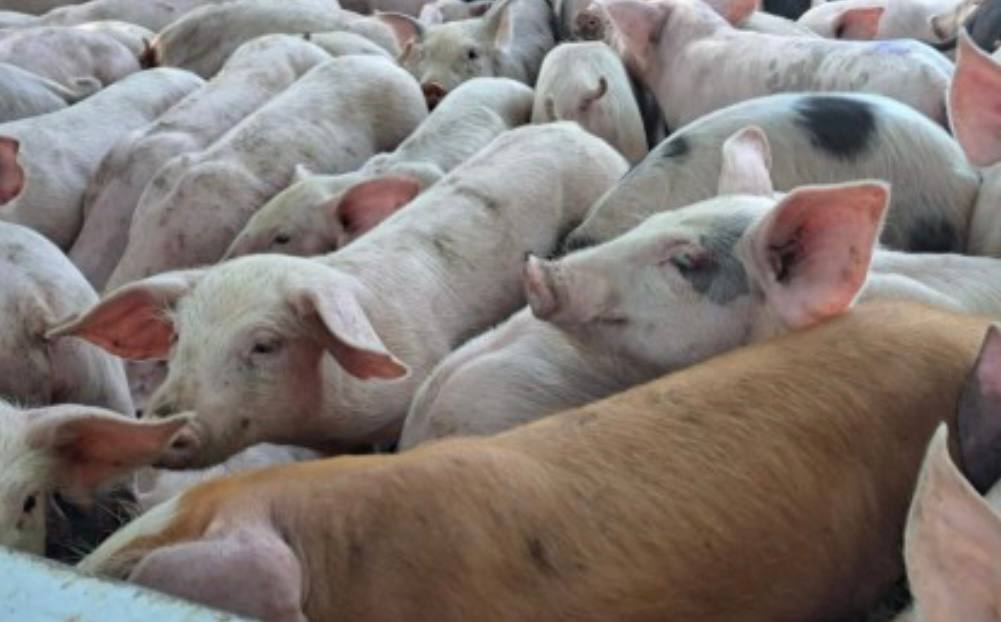
The Department of Agriculture (DA) is stepping up efforts to rebuild the country’s hog population while keeping pork supplies steady and prices stable, balancing industry recovery and food security amid the ongoing threat of African Swine Fever (ASF).
In a Monday statement, DA noted the country has yet to return to its 2019 level of roughly 13 million hogs, before ASF began devastating stocks. As of 2025, total inventory stood at 8.75 million heads — down from 9.57 million in 2024 — with smallhold farms raising 6.09 million and the rest from semi-commercial and commercial operations. Slaughter volume also dropped to 20.74 million last year, from 21.61 million in 2024 and 25.36 million in 2020.
Agriculture Secretary Francisco Tiu Laurel Jr. called the swine sector a backbone of local agriculture and a key livelihood source for rural families. He said the government aims to speed up recovery in ASF-free areas, protect farmers’ earnings, and ensure affordable pork for consumers. Plans include stricter biosecurity, science-based repopulation, and close cooperation with industry and local partners to build a more resilient sector less vulnerable to future outbreaks.
Last May, the DA launched an expanded program starting with 32,000 young breeding pigs (gilts), targeting an additional 6 million hogs by 2028. The effort is tied to broader food security goals, as pork remains a top protein source and a major factor in controlling food inflation. Authorities also urged the public to buy local pork to support jobs and rural economies.
As of June 15, Metro Manila market prices stood at: pork ham ₱340/kg, pork belly ₱390/kg, frozen kasim ₱250/kg, and frozen liempo ₱300/kg.