Philippine businesses, farmers, and investors should look beyond traditional markets and seize emerging opportunities in Russia, particularly in agriculture, energy, innovation, and tourism, according to Trade Undersecretary Allan Gepty.
Speaking on the sidelines of the ASEAN-Russia Commemorative Summit in Kazan, Gepty said Russia remains an underexplored market for Philippine exporters despite growing prospects for deeper economic engagement.
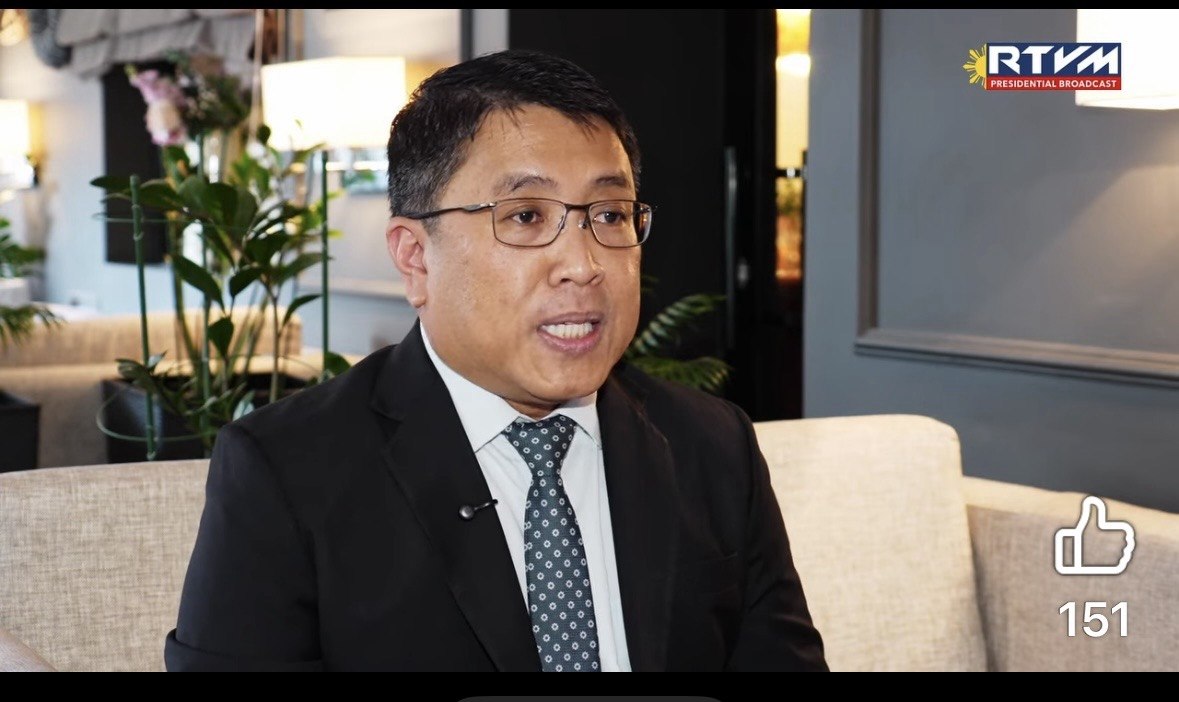
“While Russia is not yet one of the Philippines’ traditional trading partners compared with Japan, the United States, the European Union, or our Southeast Asian neighbors, the potential for deeper economic engagement is significant,” he said in an interview with RTVM.
Gepty noted that several Philippine agricultural products are already gaining ground in the Russian market, including desiccated coconut, other coconut-based products, carrageenan, seaweeds, pineapples, calamansi, and other tropical fruits.
“This demonstrates that Russia is a promising market for our farmers, producers, and exporters. We should continue to build on these gains and expand our presence,” he said.
Beyond exports, Gepty identified smart agriculture as a key area for collaboration, encouraging Philippine stakeholders to pursue partnerships involving advanced farming technologies, agricultural research, and the production of modern farm machinery and equipment.
He also pointed to energy as a strategic sector for cooperation as the Philippines seeks to strengthen long-term energy security and diversify sources of expertise and investment.
Tourism offers another avenue for expanding economic ties, Gepty said, citing the steady rise in Russian visitor arrivals across Southeast Asia in recent years.
“Tourism promotes trade, and trade promotes tourism,” he said, underscoring the complementary relationship between people-to-people exchanges and commercial activity.
Gepty likewise highlighted innovation, research, and development as promising areas for future cooperation, saying Russia’s capabilities in science and technology could support knowledge-sharing, industrial upgrading, and innovation-driven growth in the Philippines.
His remarks come as the government continues to pursue market diversification strategies aimed at expanding trade and investment opportunities beyond the country’s traditional economic partners.