The United Sugar Producers’ Federation of the Philippines (Unifed) has welcomed new guidelines from the Department of Agriculture (DA) and Sugar Regulatory Administration (SRA) that closes a regulatory loophole affecting imports of sugar-based feedstocks for bioethanol production.
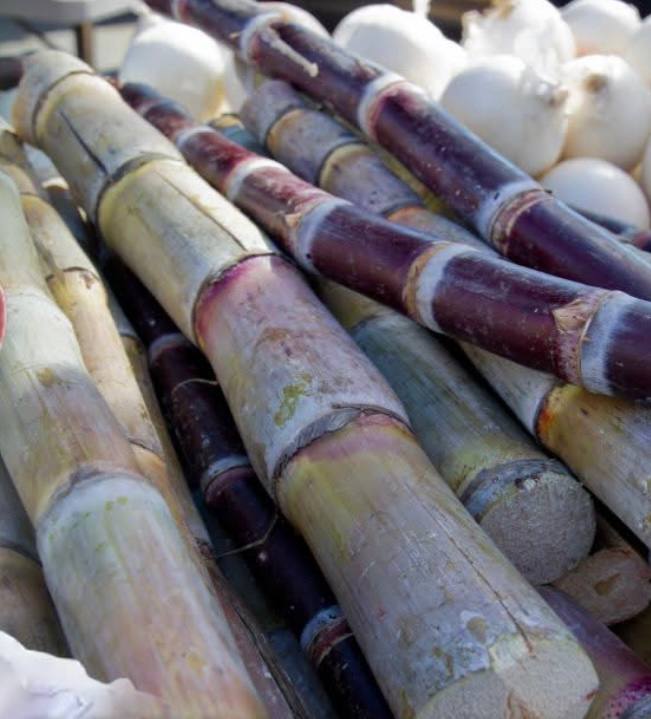
Under Sugar Order (SO) No. 4, Series 2025–2026, importation of materials including molasses, sugarcane, sugar syrup and related products will now only be permitted with authorization from the National Biofuels Board (NBB). This revision addresses a misinterpretation of rules first set in the 2008–2009 crop year.
Unifed president Manuel Lamata stated that the earlier provision allowed unrestricted imports which would have harmed the local sugar sector. He noted that the loophole remained uncorrected despite two amendments to the original order, at a time when local supply of such materials was sufficient for domestic demand.
Separately, proposals are being reviewed to amend Joint Administrative Order No. 2008–1, which would add yellow corn as an approved bioethanol feedstock alongside sugarcane and molasses. Supporters highlight this as an additional income option for farmers during low production periods, citing studies from the University of the Philippines Los Baños.
On the other hand, the livestock and poultry industry has raised concerns, pointing out that the Philippines only meets 62.7 percent of its domestic yellow corn needs, and corn makes up about half of animal feed formulations.
Meanwhile, the Department of Energy (DOE) noted that moving to higher ethanol blends such as E20 could lower fuel prices by up to ₱5 per liter, while increasing local biofuel production also strengthens the country’s energy security by reducing dependence on imported fossil fuels.