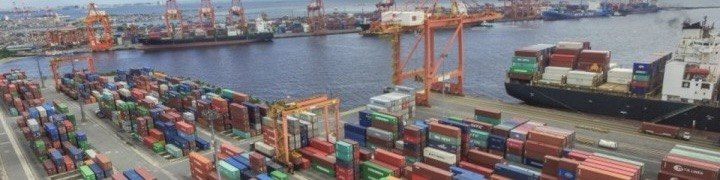
The government is seeking public feedback on a sweeping logistics reform that could reshape how goods move across the Philippines, tackling high shipping costs and chronic port congestion that have long weighed on businesses and supply chains.
The proposed Joint Administrative Order (JAO), drafted by the Departments of Finance, Transportation, and Trade and Industry together with key regulatory agencies, aims to inject greater transparency into logistics pricing while tightening oversight of cargo movement and container management.
The proposal addresses persistent industry complaints over excessive destination charges, unclear fees, and inefficient cargo handling that inflate the cost of imports and exports, ultimately feeding into higher business expenses and consumer prices.
A centerpiece of the reform is mandatory disclosure and justification of destination charges imposed by shipping lines, freight forwarders, customs brokers, truckers, and logistics providers. The Bureau of Customs would also gain authority to standardize fee terminology, review proposed increases, and require public consultations before new charges take effect.
Beyond pricing reforms, the draft seeks to ease bottlenecks through operational improvements. These include a nationwide container monitoring system, stricter yard utilization rules, mandatory designation of return depots for empty containers, and penalties for operators whose practices contribute to congestion.
The proposal also introduces a provisional 75 percent yard utilization threshold that would automatically trigger decongestion measures, including the transfer of overstaying containers to inland depots before port operations become gridlocked.
Opening the measure to public consultation signals the government’s attempt to balance stronger regulation with industry realities before the rules are finalized.
If implemented effectively, the reforms could help lower logistics costs, improve cargo turnaround times, and make Philippine supply chains more competitive. That would not only benefit importers and exporters but also reinforce the country’s push to attract more trade and investment by addressing one of the economy’s most persistent structural bottlenecks.