Toyota Motor Philippines (TMP) has turned the racetrack into a real-world testing ground for locally produced biofuels, demonstrating that cleaner fuels can deliver high performance while reducing the country’s dependence on imported petroleum.
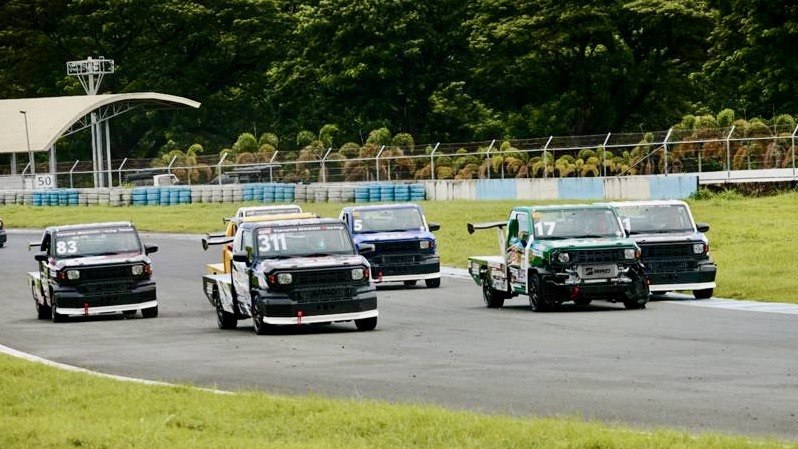
During Race Weekend 2 of the TOYOTA GAZOO Racing Philippine Cup at Clark Speedway, TMP became the first automaker to test low-carbon biofuels in Philippine motorsports, using the circuit as what it described as a “rolling laboratory.”
Vios One-Make Race cars ran on an E20 bioethanol blend, while Tamaraw race vehicles competed using a B5 coco-biodiesel blend, allowing engineers to evaluate the fuels under the extreme demands of competitive racing.
Rather than relying solely on laboratory tests, Toyota said the initiative generates real-world data that will be shared with government agencies and industry stakeholders to help advance wider biofuel adoption in the country.
TMP President Masando Hashimoto said recent global supply disruptions underscore the importance of developing more resilient and locally sourced energy solutions.
“By using biofuel on this racetrack, we are showing that this technology works, not just in theory, but in real conditions,” Hashimoto said.
Beyond lowering carbon emissions, broader biofuel use could strengthen the country’s energy security by increasing demand for coconut- and sugarcane-based feedstocks, creating new market opportunities for Filipino farmers while reducing reliance on imported fossil fuels.
The initiative also supports Toyota’s multi-pathway approach to carbon neutrality. Around three-fourths of Toyota and Lexus gasoline models currently sold in the Philippines are already compatible with E20, while all Toyota diesel vehicles can operate on B5 biodiesel.
The race weekend underscores a broader reality for the auto industry. As electrification gains momentum, biofuels are emerging as a complementary pathway to decarbonization, particularly in markets where conventional vehicles will remain on the road for years. By proving the technology under racing conditions, Toyota is making the case that the road to cleaner mobility may begin not only with new vehicles, but also with cleaner fuel already produced on Philippine farms.