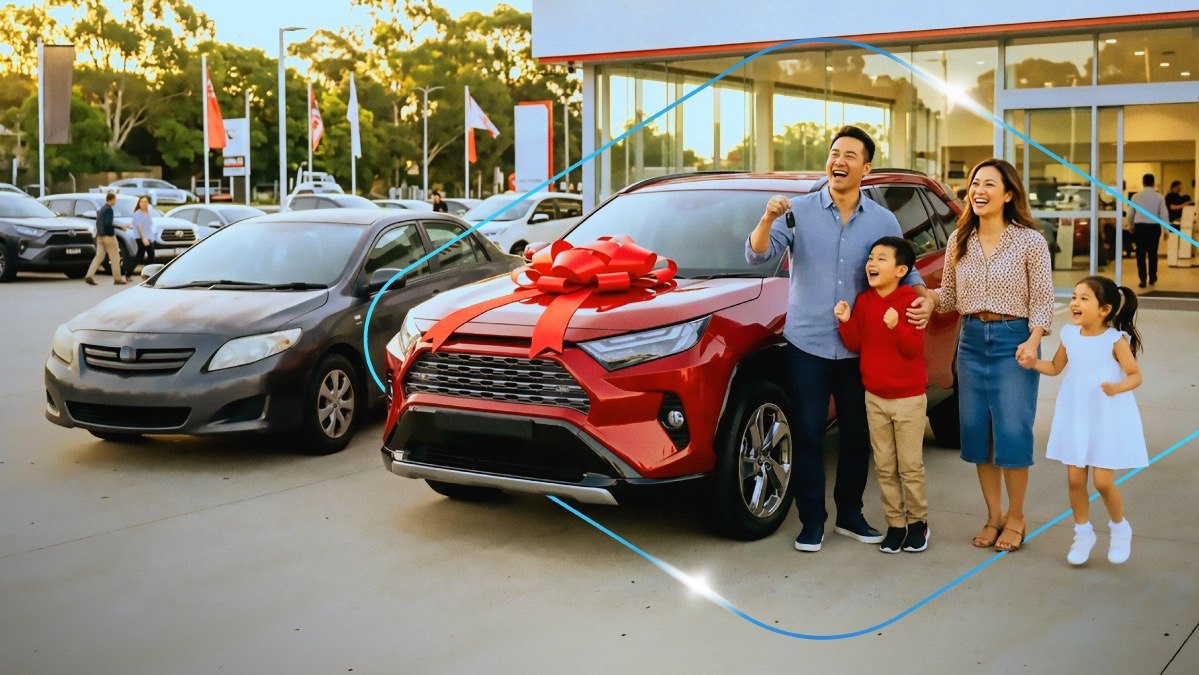
Metrobank is stepping up its push into green mobility, expanding its auto loan portfolio to cover hybrid vehicles as rising fuel costs and changing consumer preferences drive more Filipinos toward fuel-efficient cars.
The move comes as hybrid models gain momentum in the local automotive market, with buyers increasingly opting for vehicles that offer lower fuel consumption without the range anxiety associated with fully electric vehicles.
By widening financing options, Metrobank aims to make hybrid ownership more attainable for first-time buyers, families and professionals looking to trim transportation costs while embracing cleaner mobility.
The expanded lending program reflects a broader shift in the banking industry, where financial institutions are tailoring products to support evolving consumer lifestyles and the country’s transition toward more sustainable transportation.
Metrobank’s auto loan package covers customers purchasing a first vehicle, upgrading to a newer model or switching to a hybrid. The bank offers financing of up to 80 percent of a vehicle’s net selling price, repayment terms of up to 60 months and a streamlined application process through its nationwide branch network and digital channels.
The timing coincides with growing demand for hybrid sport utility vehicles and crossovers, segments that continue to dominate Philippine vehicle sales because of their versatility while delivering significantly better fuel economy than conventional gasoline-powered models.
Unlike fully electric vehicles, hybrids do not rely on charging infrastructure, making them an increasingly attractive option for motorists seeking immediate fuel savings without changing their driving habits.
For Metrobank, the expansion is more than a product enhancement. It is a bet that financing will play a bigger role in accelerating the country’s shift toward cleaner transport by reducing the upfront cost of hybrid ownership.
As more automakers expand their hybrid lineups and consumers become increasingly conscious of fuel expenses, banks are expected to compete more aggressively by offering financing packages that make next-generation vehicles easier to bring home.