Micro, small and medium enterprises (MSMEs) in the Visayas and Mindanao are breaking free from geographic limits, with e-commerce helping provincial businesses win customers across the country and emerge as a growing force in the Philippine digital economy.
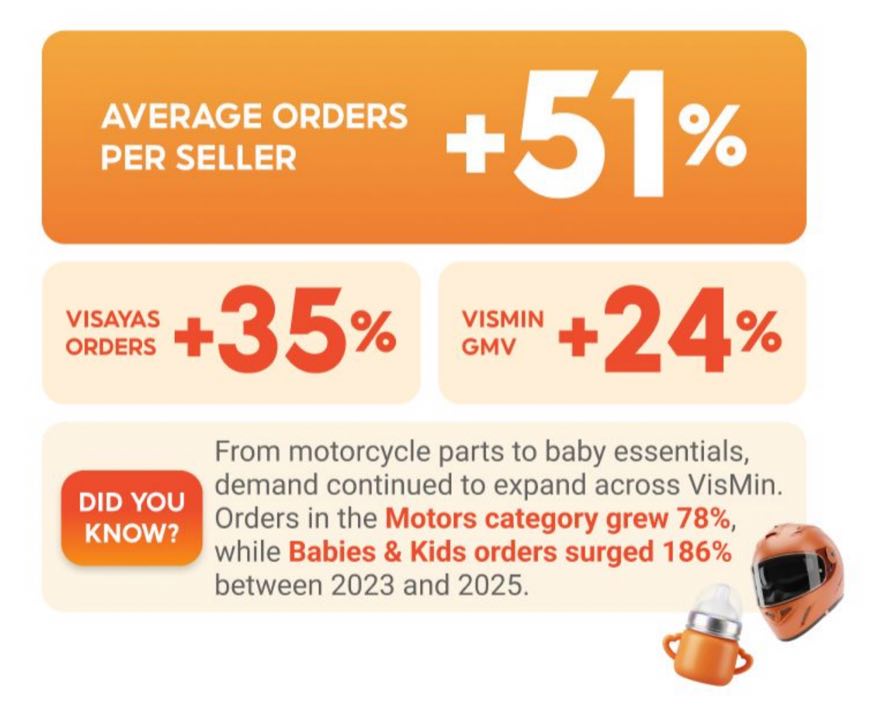
A new Shopee report showed average orders per seller in the two regions jumped 51 percent between 2023 and 2025, underscoring how online platforms are reshaping opportunities for entrepreneurs outside Metro Manila.
The report, The State of Digital MSMEs in VisMin: Growing Stronger in the Digital Economy, found that the region’s top online sellers reached buyers in 81 of the country’s 82 provinces in 2025. More than one-third of their orders were shipped to Luzon, highlighting the expanding national reach of businesses once limited to local markets.
Sales generated by VisMin sellers climbed 24 percent over the two-year period, while Visayan merchants alone recorded an average 35 percent increase in Shopee orders.
“Recognizing the opportunities created by digital commerce, more and more MSMEs are finding that entrepreneurial ambitions once constrained by geography are now within reach,” said Vincent Lee, head of Shopee Philippines.
The report also points to a sharp rise in the adoption of digital selling tools. Sales generated through Shopee Video surged 209 percent from 2024 to 2025, while the number of sellers creating video content expanded 17-fold. Partnerships between merchants and affiliate creators grew 29 times, adoption of the platform’s Chat AI Assistant increased 75-fold, and businesses using Fulfilled by Shopee rose 14 times.
The findings reinforce the growing role of e-commerce in spreading economic opportunities beyond major urban centers, giving provincial entrepreneurs access to larger markets without the cost of opening physical stores.
Lee said Shopee will continue investing in technology, logistics and seller development programs, while helping qualified MSMEs tap the Shopee International Platform to bring Philippine-made products to customers across Southeast Asia, opening new avenues for export-led growth.