The Philippines’ growing role in the global artificial intelligence supply chain is expected to provide an important buffer against slowing growth, higher oil prices and lingering trade uncertainties, according to the ASEAN+3 Macroeconomic Research Office (AMRO).
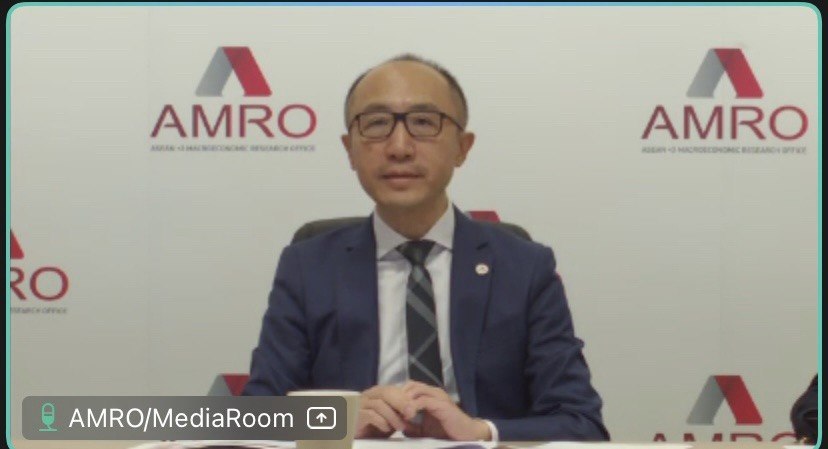
Speaking during AMRO’s July Regional Economic Outlook briefing, Chief Economist Dong He said the country’s semiconductor industry continues to position the Philippines as one of the regional beneficiaries of the AI investment boom despite a more challenging global environment.
“On the growth front, it continues to benefit from the AI cycle,” He said. “The Philippines is very much plugged into the global AI cycle. They are very involved in semiconductor exports, so that would continue to provide support to export growth.”
The assessment suggests that while domestic demand has softened, the country’s integration into global technology supply chains is helping offset some of the drag from external shocks.
AMRO noted that the Philippines has been among the economies hardest hit by this year’s oil price spike, which slowed economic growth and pushed inflation well above 2025 levels. However, He said the Bangko Sentral ng Pilipinas’ timely monetary tightening prevented broader price pressures from becoming entrenched. As global oil prices eased, AMRO trimmed its 2026 inflation forecast for the Philippines to 5.7 percent from 6.0 percent.
Beyond the immediate outlook, He said the country’s next challenge is translating export strength into broader economic expansion.
“The Philippines should really focus on how to strengthen private investment so that production capacity and infrastructure will be strong enough to support higher medium-term growth,” he said.
He noted that stronger investment would not only raise productivity but also improve the country’s resilience against climate-related disruptions, particularly El Niño, which remains a key risk to food production and inflation.
AMRO also downplayed concerns that U.S. tariff uncertainties would significantly derail the Philippine economy, saying businesses across the region have largely adjusted their supply chains following years of trade tensions.
Even so, the think tank cautioned that risks remain. A resurgence in oil prices, weaker global technology demand or a severe El Niño episode could still test the country’s growth outlook. For now, however, the AI-driven semiconductor boom continues to provide the Philippines with an important competitive advantage at a time when global growth remains increasingly uneven.