The US is providing the Philippines up to USD600 million in grant assistance to strengthen the country’s health system, a move expected to bolster public health security while reducing the need for government resources to fund critical health programs.
The Department of Finance said it facilitated the assistance under the Strategic Objective Agreement for Integrated and Sustainable Health Systems in the Philippines. The grant, equivalent to about P36.95 billion, will support programs to expand access to quality healthcare and strengthen the country’s ability to withstand public health threats.
The proposed programs will be implemented by the Department of Health and will focus on building a more integrated, sustainable and self-reliant health system.
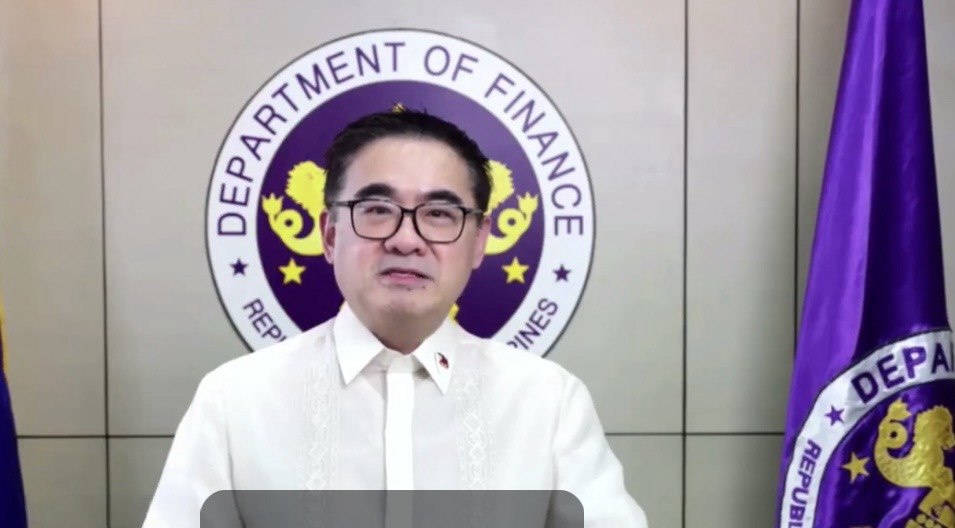
Finance Secretary Frederick D. Go said the assistance would have benefits extending beyond healthcare.
“Investing in healthcare is investing in our people, our productivity, and our future,” Go said. “Through this grant, we are strengthening the country’s ability to respond to health emergencies while building a more resilient and sustainable healthcare system that benefits our people.”
The agreement centers on three outcomes. These include stronger disease surveillance, detection and outbreak response, more integrated delivery of health services across disease programs, and greater domestic capacity to finance and manage the health sector.
Priority programs include global health security initiatives as well as HIV, tuberculosis, neglected tropical diseases and maternal, newborn and child health.
The grant component is particularly significant from a fiscal perspective because the assistance does not have to be repaid. This gives the government room to direct its own resources toward other priorities while external funding supports programs that require sustained investment.
The agreement also comes as governments worldwide place greater emphasis on health security after the disruptions caused by recent pandemics and infectious disease outbreaks. For the Philippines, stronger surveillance and response capabilities could help contain outbreaks earlier, limiting their potential disruption to workplaces, supply chains and economic activity.
The initiative builds on more than six decades of Philippine-US health cooperation and supports the Marcos administration’s push to strengthen public health preparedness.
Beyond hospitals and disease programs, the investment reflects a broader economic reality. A healthier population means a more productive workforce, while a stronger health system can reduce the economic shock of future outbreaks.
For the Philippines, the challenge will be converting the sizeable grant commitment into durable improvements in healthcare capacity, rather than treating it simply as short-term assistance.