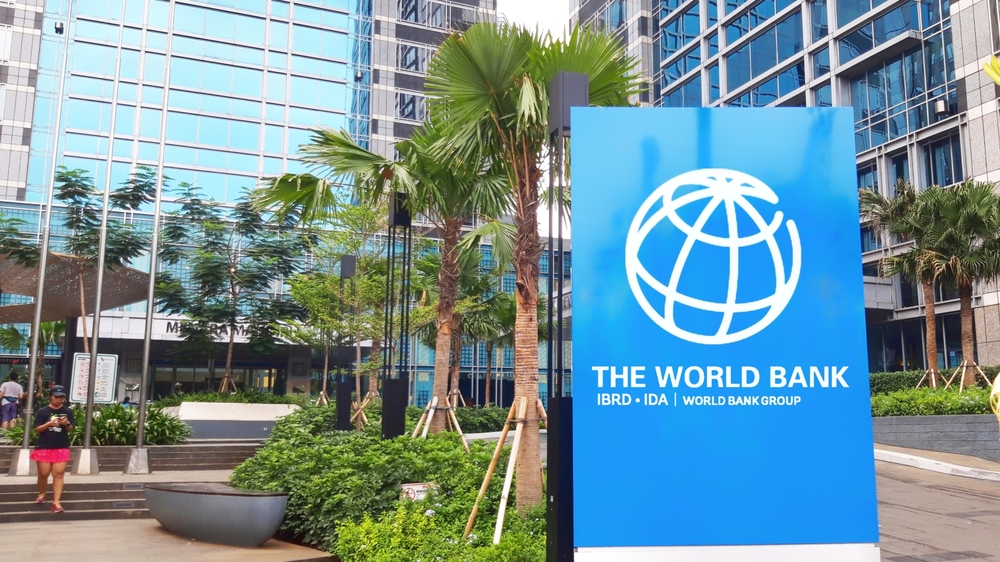
The Philippine government is moving to translate the World Bank’s Public Finance Review into concrete fiscal reforms, with economic officials stressing that better tax collection and spending will matter only if recommendations result in measurable improvements for citizens.
Finance Secretary Frederick Go said the government needs to rebuild fiscal buffers while ensuring fiscal consolidation does not come at the expense of economic growth and development.
“Our debt and deficits, while manageable, remain above where they were before the pandemic,” Go said during the Sept. 28 launch of the review.
On taxation, Go said the government would focus on broadening the tax base rather than raising statutory rates.
“Our tax rates are broadly in line with our regional peers,” he said. “The path forward is not to raise statutory rates, but to broaden the base.”
The approach includes disciplining tax exemptions and improving collections through simpler regulations, artificial intelligence and digital technologies.
Go said the Department of Finance would study the World Bank’s recommendations and use them to “sharpen our approach to revenue mobilization and tax policy design.”
The bigger test, however, will be execution. Budget Secretary Kim Robert de Leon said fiscal reform should not be measured simply by revenues collected or budgets disbursed, but by whether public funds deliver intended results.
“We finance outcomes, not paperwork,” De Leon said. “A 100 percent utilization rate may look impressive on a report, but if the intended beneficiary did not feel the improvement, then we still have a question to answer.”
He said implementation would determine whether the review leads to meaningful reform.
“A reform written is not yet a reform delivered,” De Leon said. “A recommendation matters only when institutions act on it.”
For De Leon, the ultimate measure is whether government spending translates into tangible public benefits: “Government spending becomes meaningful only when public money becomes public good.”