Philip Morris International (PMI) is eyeing further investments in the Philippines, but says regulatory uncertainty, cumbersome paperwork and infrastructure gaps threaten the country’s ability to compete with regional manufacturing hubs.
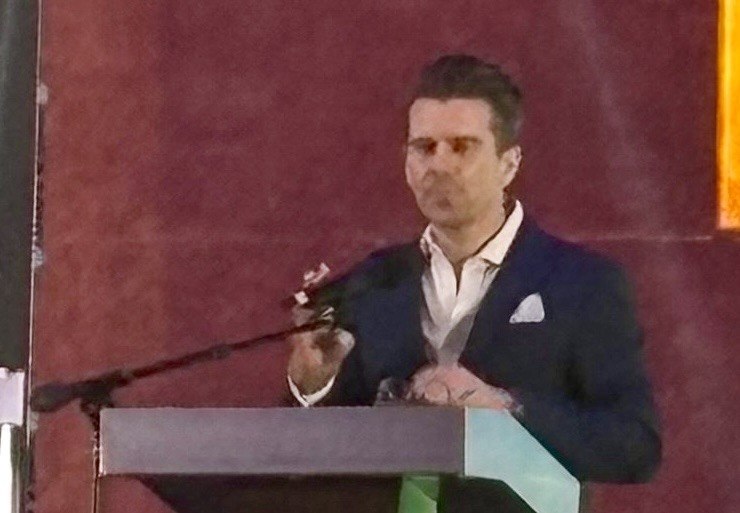
Speaking at the Arangkada Philippines Forum, PMFTC Chief Financial Officer Dominique Thollon reaffirmed the company’s long-term commitment to the country, where it has operated for 70 years, while pressing the government to streamline administrative processes and provide more predictable rules.
PMI has invested nearly P100 billion in the Philippines since 2020, including a recently opened P9-billion smoke-free manufacturing facility in Batangas. The plant exports to 18 markets across Asia and Europe, strengthening the country’s role in the company’s regional supply chain.
“There are more investments coming,” Thollon said, signaling further expansion plans while warning that the Philippines risks losing ground to competing Asian economies.
“It’s still competitive but becoming less so,” he said, adding that the country needs to catch up with its regional peers.
For Thollon, the challenge is less about the absence of regulation than how rules are designed and enforced.
“I don’t think there’s a lack of laws and regulation. In fact, if anything, we have probably too many of them,” he said, citing unclear implementing rules, limited transparency and inconsistent application.
He also called for simpler import-export procedures, particularly for manufacturers bringing in raw materials for processing and re-export. Excessive paperwork and manual processes, he said, make doing business in the country unnecessarily complex.
The stakes extend beyond the company’s investment plans. PMFTC employs about 5,000 people, operates more than 40 sales offices and warehouses, and directly reaches over 400,000 retailers and wholesalers.
PMI reported that smoke-free products accounted for 42% of its net revenues in the first half of 2026, highlighting their growing importance to its global business.
For the Philippines, converting that growth into additional investment may depend not only on incentives, but also on whether government processes become simpler, clearer and more consistent.