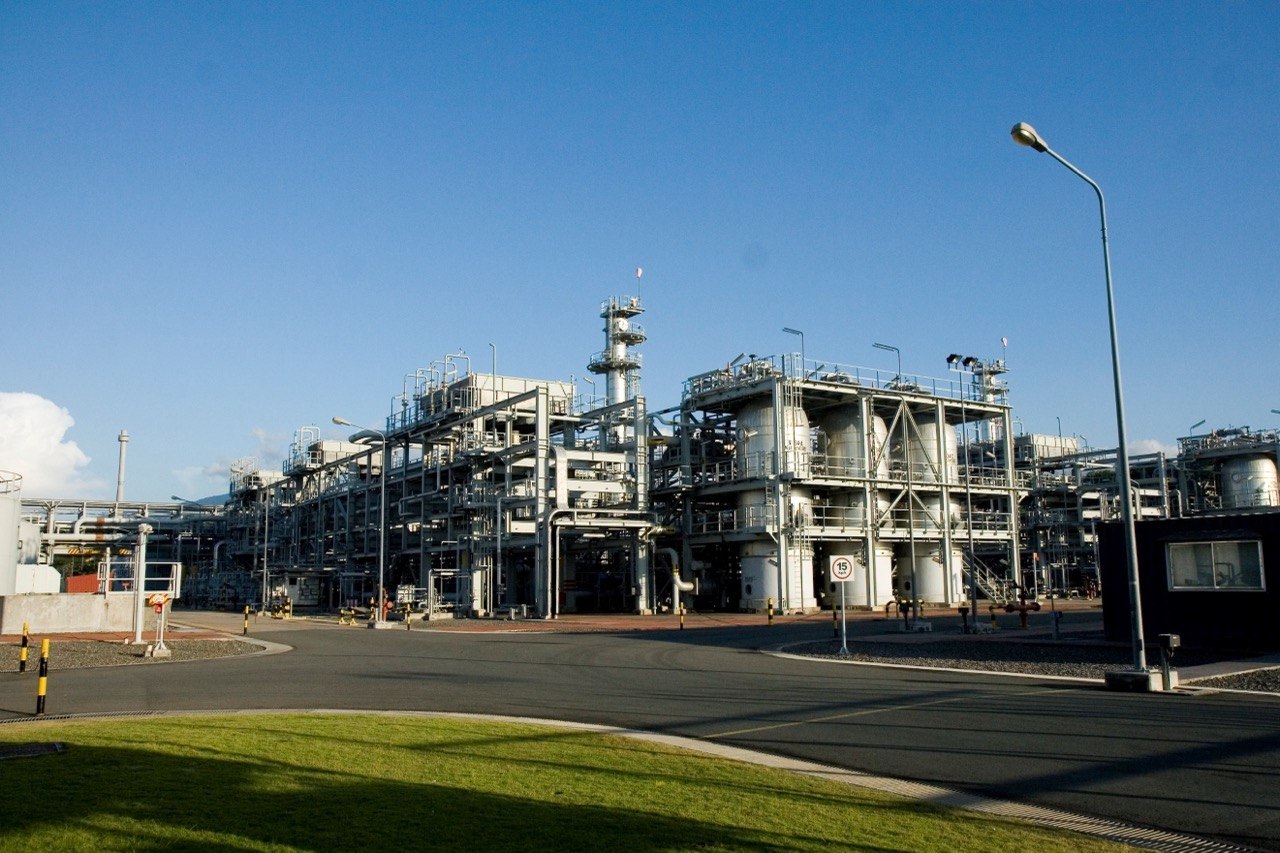
Prime Energy’s Malampaya Onshore Gas Plant (OGP) in Batangas has marked 25 years without a recordable safety incident involving harm to people or a significant process safety incident, underscoring the importance of operational discipline as the Philippines moves to expand indigenous natural gas production.
The milestone comes as the Malampaya Deep Water Gas-to-Power Project prepares for its next development phase, with additional gas production targeted by the fourth quarter of 2026. The expansion is expected to help strengthen domestic energy security and extend the life of a key source of locally produced natural gas.
The Tabangao facility has maintained its “Goal Zero” record since September 28, 2001, through continuous operations, major maintenance work and increasingly complex activities supporting the offshore gas project.
Prime Energy President and CEO Donnabel Kuizon Cruz said the achievement reflects the plant’s ability to uphold stringent safety standards while sustaining gas operations.
“Reaching 25 years of Goal Zero is a significant operational achievement, particularly for a facility that has supported continuous gas production, major maintenance activities, and increasingly complex operations over the years,” Cruz said.
The plant’s safety performance was also tested during this year’s scheduled maintenance shutdown, which covered the offshore Shallow Water Platform in Palawan and the Batangas gas plant. The work was completed on schedule without recorded incidents, the company said.
Prime Energy is advancing Malampaya Phase 4 to unlock additional domestic gas resources as the country seeks to reduce exposure to imported fuels and support the reliability of electricity generation.
The safety milestone comes at a critical juncture for the project. With domestic gas supplies facing the challenge of sustaining output, additional production could help ease pressure on the country’s energy mix.
While safety performance alone does not guarantee future production, maintaining disciplined operations will remain essential as Malampaya enters its next phase and the Philippines seeks to maximize the value of its indigenous energy resources.