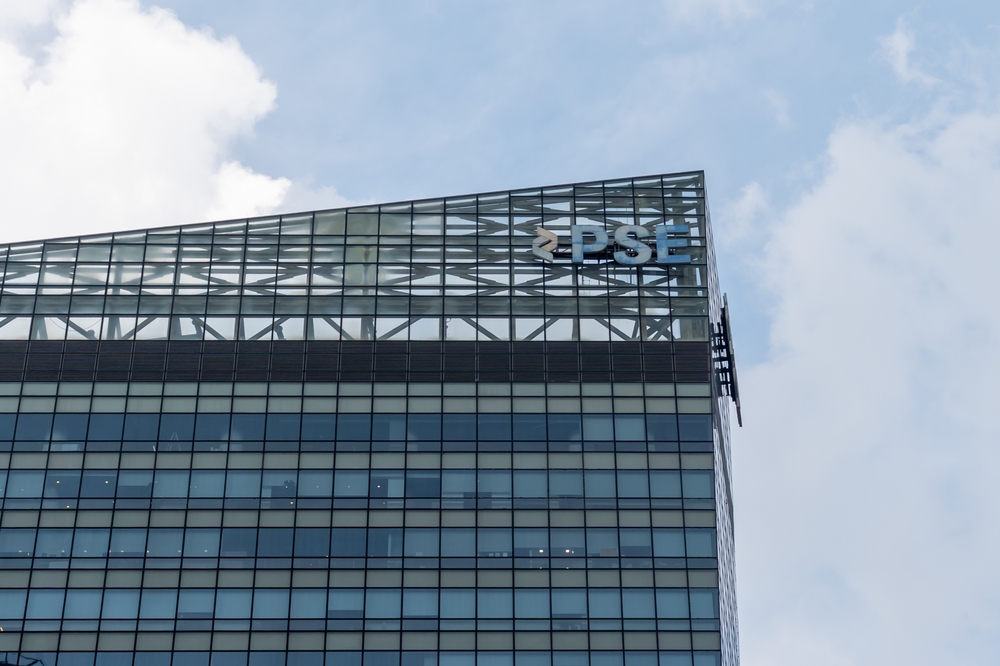
Philippine stocks could extend losses this week as higher interest rates, persistent inflation, and peso weakness threaten corporate earnings, with analysts urging investors to favor defensive shares until clearer signs of a market recovery emerge.
The Philippine Stock Exchange index (PSEi) fell 54.07 points, or 0.9 percent, to 5,728.63 on October 23, ending two consecutive weeks of gains as investors weighed the impact of tighter monetary policy and rising import costs.
Brokerage 2TradeAsia said the Bangko Sentral ng Pilipinas’ (BSP) larger-than-expected 50-basis-point rate hike to 5.5 percent has raised concerns over borrowing costs and earnings prospects, particularly for interest-sensitive companies.
The brokerage advised investors to “stay defensive,” citing well-capitalized banks, dollar earners, and dividend-paying stocks with foreign investor support as preferred holdings amid heightened uncertainty.
Another BSP rate increase in December remains possible if inflationary pressures from elevated oil prices and El Niño persist, 2TradeAsia said, keeping the prospect of further monetary tightening firmly in investors’ calculations.
RCBC chief economist Michael Ricafort also warned that higher financing costs could weigh on economic growth, while peso depreciation and Brent crude prices approaching USD114 per barrel could intensify inflationary pressures.
The combination presents a difficult outlook for policymakers and businesses alike: containing price increases may require tighter financial conditions, but higher borrowing costs could further constrain investment and consumer spending.
Ricafort placed immediate support for the PSEi at 5,600 to 5,700, with resistance at 5,780 to 5,915. Meanwhile, 2TradeAsia said it would consider adding exposure only after the index closes above 5,800.
Investors will also monitor the US Federal Reserve’s October 27–28 policy meeting for signals affecting foreign capital flows, alongside upcoming Philippine inflation and third-quarter gross domestic product reports.
With these catalysts approaching, the market’s next direction may hinge on whether inflation eases without a sharper slowdown in growth. Until then, bargain hunters may need to show restraint: a lower price is not always a better entry point.