Building a business that lasts takes more than expanding into new markets. It requires sound decisions, careful management of risks, and the financial strength to withstand difficult periods.
SM traces its beginnings to a shoe store opened by Henry Sy Sr. in 1958. Today, SM Investments Corp., the parent company of the SM Group, has interests in retail, banking, property, and other businesses serving the Philippine economy.
Its approach is built on long-term ownership rather than buying and selling businesses for short-term gains. As an owner-operator, SM Investments focuses on building businesses that are strong individually and benefit from working together.
Good governance is central to this approach. It is reflected in prudent financial management, recurring cash flows and core businesses capable of funding their own expansion.
Together, these give SM Investments the financial flexibility to manage uncertainty and pursue opportunities for long-term growth.
Independent Board oversight reinforces this discipline. Five of SM Investments’ nine directors are independent, including its chairman, helping ensure that investment decisions are carefully assessed and risks are properly managed.
Sustainability is part of the same discipline.
For SM, it means balancing the needs of people, the environment and the business. This includes supporting employees and communities, using resources responsibly and maintaining the financial strength to invest and grow. Together with good governance, these practices help build businesses that can create value over the long term.
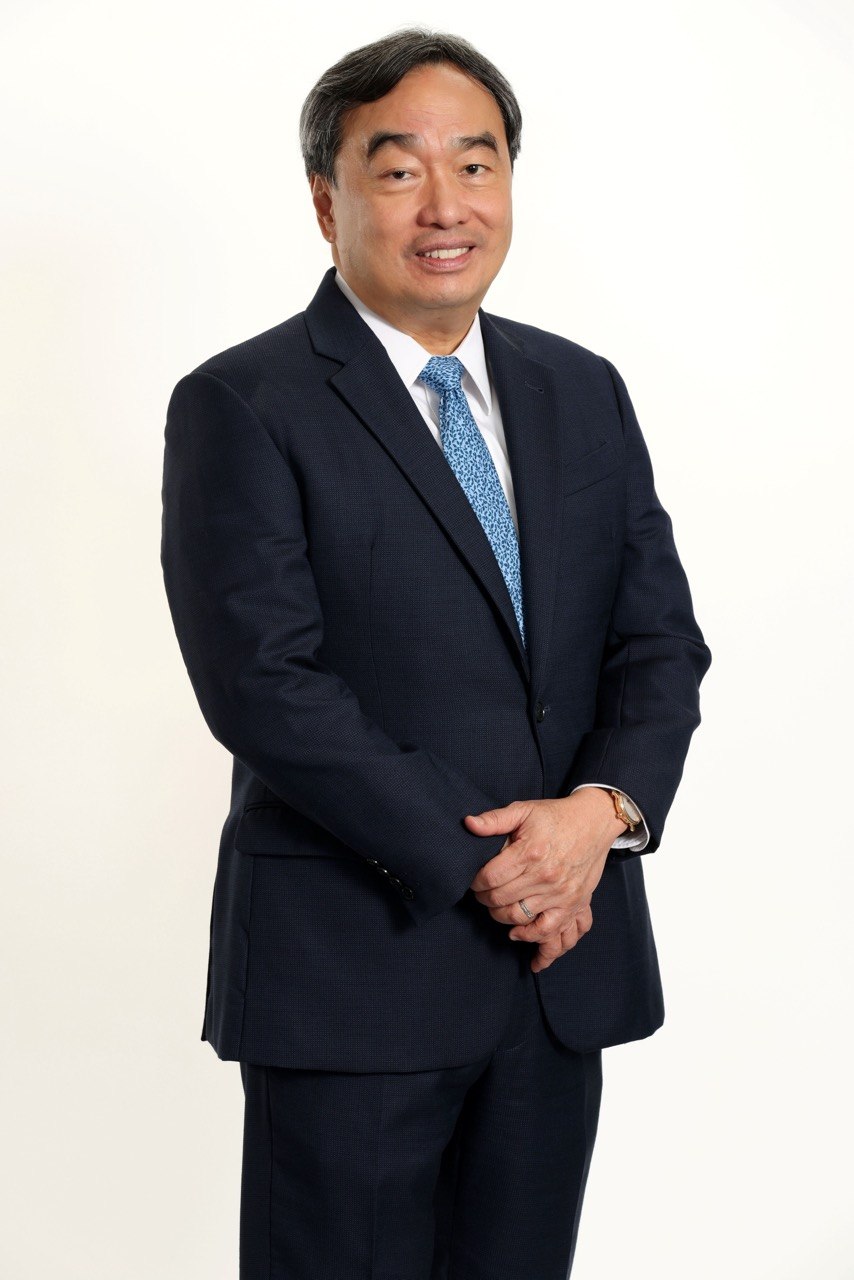
The following Q&A with Frederic C. DyBuncio, president and chief executive officer of SM Investments Corporation, explores how these principles guide the company’s investment decisions and long-term growth.
Context.ph: As SM expands across its existing and emerging businesses, is there a recent major investment or business decision that you can cite where the Board’s independent oversight significantly influenced the outcome? Was there a time or a case when SM chose long-term stability over a potentially more profitable short-term opportunity?
DyBuncio: At SM, good governance is reflected in how we make investment decisions, particularly when conditions are uncertain.
Our Board provides independent oversight, helping ensure that major decisions are assessed against their risks, capital requirements and long-term value.
We have consistently taken a disciplined approach to investment. This means maintaining financial flexibility, pacing capital commitments and avoiding decisions that depend too heavily on favorable short-term conditions.
Our investments in renewable energy illustrate the importance of taking a longer view. Through Philippine Geothermal Production Co. and solar installations across our malls, we are addressing long-term energy needs while managing exposure to energy supply and price risks.
We have also strengthened how we assess emerging technologies. Our AI Council supports the responsible adoption of artificial intelligence, while our IT Council promotes stronger cybersecurity and technology risk management across the Group.
These initiatives reflect the same principle: opportunities must be considered alongside their risks.
Good governance does not eliminate risk. It helps us decide which risks are worth taking.
Context.ph: As businesses face inflationary pressures, geopolitical uncertainty and changing consumer patterns, what specific decisions has SM made to preserve financial flexibility and sustain growth?
DyBuncio: We have stayed focused on maintaining a strong balance sheet, investing with discipline and serving the changing needs of Filipino consumers.
An important part of our financial flexibility comes from how SM is structured.
Our core businesses in retail, banking and property are independently managed and capable of funding their own expansion.
As the parent company, SM Investments benefits from their growth and the dividends they generate without having to finance all that expansion itself.
This allows us to maintain financial flexibility while considering opportunities beyond our established businesses.
Our businesses also serve different but related needs. Retail provides everyday goods, banking supports households and enterprises, and property develops places where people shop, live and work.
Their different sources of earnings provide some balance when economic conditions change, while their complementary activities create opportunities across the Group.
We also continue to manage liquidity prudently and maintain access to domestic and international capital markets.
Financial discipline gives us choices. It allows us to manage uncertainty without losing the ability to invest for the future.
Has the company adjusted its expansion priorities, investment criteria or risk appetite because of the factors mentioned?
Our long-term priorities have not fundamentally changed. We remain focused on the Filipino consumer, strengthening our established businesses and investing in sectors with lasting demand.
What changes is the timing and pace of investment as market conditions evolve.
We continue to assess opportunities against their financial returns, capital requirements and risks. We plan for the long term, but remain flexible in how we execute our plans.
Context.ph: For its new businesses — logistics, renewable energy and other complementary businesses — how does SM identify which opportunities deserve investment? Are there governance principles that guide its decisions on entering new sectors, and which emerging businesses could become significant contributors to the Group?
DyBuncio: We begin by asking whether a business meets a real need and has the potential to create value over time.
We look at market demand, financial returns, management capability, risks and the capital required to support growth.
Each investment must make sense on its own. We also consider whether SM’s experience and existing businesses can help strengthen its prospects.
Our investments in 2GO and Philippine Geothermal Production Co. illustrate this approach. Logistics is essential in an archipelagic country, where businesses and consumers depend on the reliable movement of goods and people.Geothermal energy addresses another long-term need: dependable electricity.
These businesses operate in different sectors, but both serve important needs of the Philippine economy.
Governance is part of the investment process. We assess opportunities carefully, consider the risks and maintain oversight as the businesses develop.
Logistics and renewable energy remain areas of long-term interest, although their future contribution will depend on operating performance and market conditions.
We do not invest in a sector simply because it is growing. We invest when we understand the business and believe in its long-term prospects.
Context.ph: As an early adopter of IFRS Sustainability Disclosure Standards, what are the quantifiable business benefits that SM Investments has achieved from integrating sustainability into investment and operating decisions? Can you share recent examples of cost savings, improved efficiency or risks avoided, as well as new sustainability targets for 2027?
DyBuncio: We see sustainability as part of running a business well.
Energy, water, materials and waste affect operating costs. Climate and physical risks can affect assets, supply chains and business continuity.
Managing these issues helps us improve efficiency, control costs and prepare for disruptions.
In 2025, renewable energy accounted for 31% of the SM Group’s electricity consumption, up from 27 percent in 2024. The Group sourced approximately 730 million kilowatt-hours of renewable electricity, avoiding an estimated 370,644 metric tons of carbon dioxide equivalent emissions.

Irma Isip is a seasoned business journalist covering corporate developments, international trade, and economic trends. A University of Santo Tomas graduate, she spent over 15 years as Business Editor at Malaya Business Insight, delivering clear, insightful reporting on key market and industry developments.