The Department of Agriculture (DA) has stepped up monitoring of food prices and supply as early signs of rising inflation appear, particularly among the country’s poorest households.
Data released by the Philippine Statistics Authority showed inflation for the lowest-income families rose to 2.5 percent in February 2026, up from 1.6 percent in January and 1.5 percent a year earlier. The increase was mainly driven by higher prices of food and non-alcoholic beverages, which make up a large share of poor households’ spending.
Overall food inflation also accelerated to 1.6 percent in February, from 0.7 percent the previous month, though it remained below 2.6 percent in February 2025.
Agriculture Secretary Francisco P. Tiu Laurel Jr. said authorities are tightening price monitoring and preparing measures to prevent sudden increases in food costs, especially as global tensions threaten to disrupt supply.
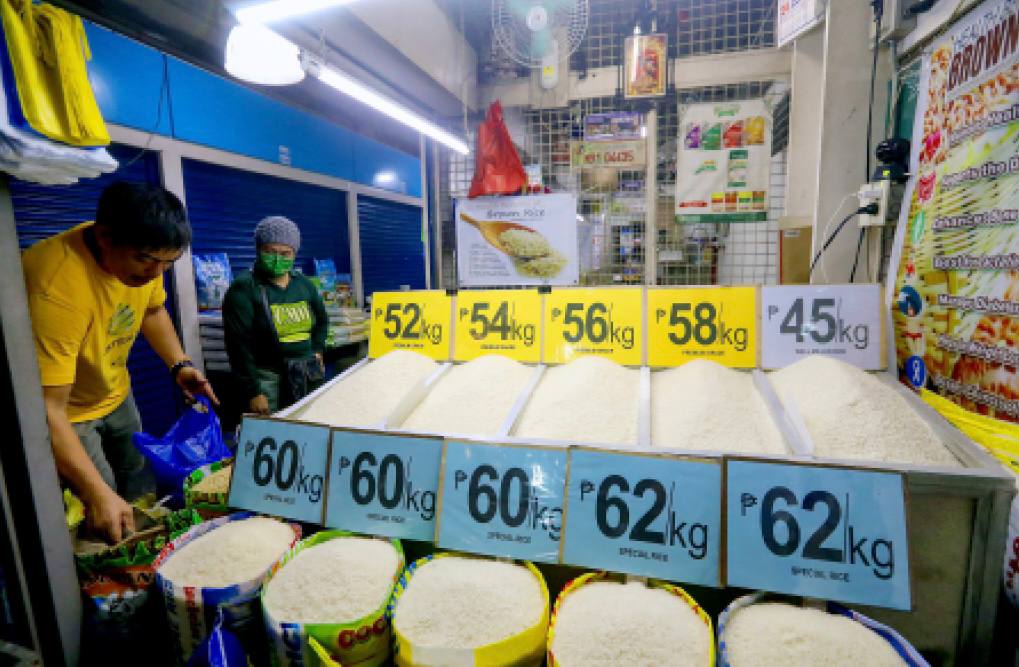
Rice remained a key factor in February’s inflation trend. While rice prices were still lower than last year, the rate of decline slowed to 3.4 percent, compared with 8.5 percent in January, contributing to the overall rise in food inflation.
Other staple foods also recorded faster price increases, including corn, flour, bread and cereals, fish, seafood, vegetables, fruits, and milk.
Food prices accounted for 0.6 percentage point of the country’s total inflation in February, highlighting how strongly food costs affect overall consumer prices and household budgets.
The DA said it is preparing contingency plans to secure adequate food supply and farm inputs in case global developments, including tensions in the Middle East, trigger price shocks.
For consumers, especially low-income families, food makes up a large part of daily spending. Even small increases in staple prices can quickly strain household budgets, making government monitoring and supply management crucial to keeping food affordable.