Universal Leaf Philippines Inc. (ULPI) is overhauling how tobacco is grown and traded, replacing a fragmented, middleman-heavy system with a fully integrated, tech-driven model that puts data—and farmers—at the center.
At the heart of the shift is an end-to-end operating system that goes beyond contract growing. ULPI president Winston Uy describes it as a “complete ecosystem”—covering agronomy, financing, technology, management, and post-harvest support across entire farming communities, not just individual plots.
The approach targets chronic inefficiencies that long defined the industry. For decades, middlemen dominated the supply chain, offering limited technical support while extending high-interest loans and controlling pricing and quality assessments. The result: low yields, inconsistent quality, and farmers locked in debt cycles.
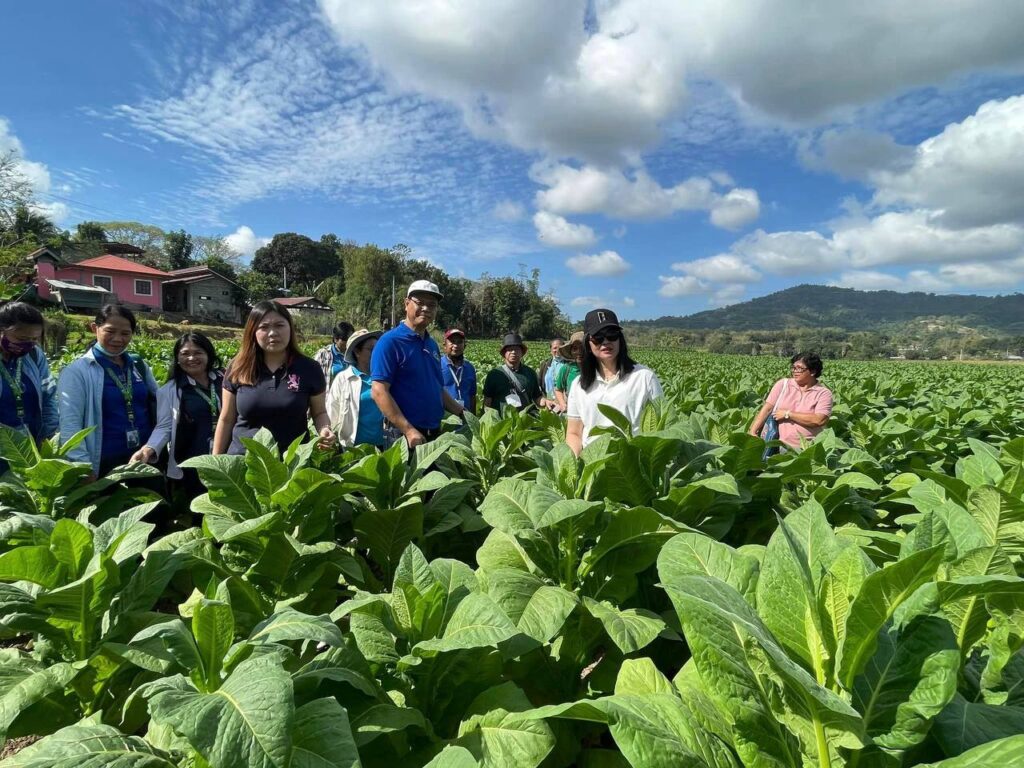
ULPI’s model cuts through that. By working directly with growers, the company standardizes production, deploys science-based practices, and identifies optimal growing zones. It introduces certified seed systems and enforces good agricultural practices, lifting yields, improving leaf quality, and reducing waste.
What makes the system scalable is digitalization.
ULPI has built proprietary platforms that capture real-time farm data—from weather and soil conditions to financing and logistics—turning them into predictive insights and on-the-ground interventions. Field technicians use mobile tools to guide farmers, monitor compliance, and ensure sustainability and quality targets are met.
The payoff is a tighter, more transparent value chain focused on outcomes: higher productivity, better quality, and more value per hectare—shared across farmers, workers, and the company.
From a minor domestic player, ULPI has grown into a market leader and major exporter. Its footprint now spans tens of thousands of hectares, supporting more than 145,000 farmers and workers.
By fusing technology, financing, and agronomy, ULPI isn’t just boosting output but also reshaping incentives, restoring profitability, and positioning Philippine tobacco to compete globally.