Tesla, Inc., the U.S.-based electric vehicle and clean energy company led by billionaire Elon Musk, reported higher first quarter earnings, as gains from its core auto business were partly offset by aggressive spending on artificial intelligence, robotics, and factory expansion.
Net income under generally accepted accounting principles or GAAP rose 17 percent to USD477 billion, while operating income more than doubled to USD941 million. On a non-GAAP basis, earnings surged 56 percent year-on-year to USD1.45 billion. Total revenues rose 16 percent year on year to USD22.39 billion, driven mainly by automotive sales of USD16.2 billion.
Profit margins improved, with gross margin expanding to 21.1 percent, but operating margin remained relatively thin at 4.2 percent as operating expenses jumped 37 percent to USD3.8 billion. The increase reflects Tesla’s continued push into AI infrastructure, new battery facilities, and upcoming vehicle programs.
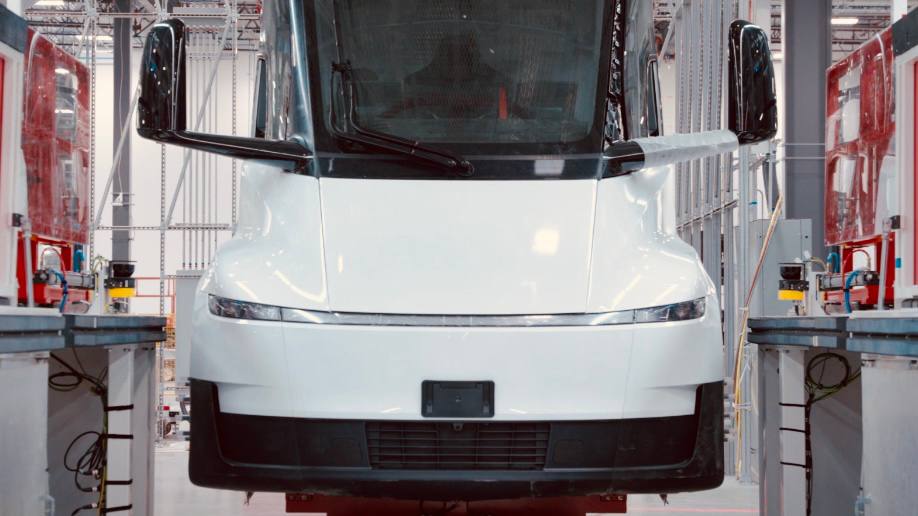
Tesla posted USD3.9 billion in operating cash flow and USD1.4 billion in free cash flow, boosting its cash and investments to USD44.7 billion. This financial cushion supports ongoing capital spending for projects such as Megapack 3, the Tesla Semi, and its planned Cybercab platform.
The company also signaled a deeper strategic shift under Musk’s leadership, with accelerated development of its Robotaxi network, Full Self Driving software, and Optimus humanoid robot. These initiatives are being positioned as long-term growth drivers beyond traditional car sales.
Geographically, demand showed signs of recovery. Growth continued in Asia Pacific and South America, while North America and Europe posted a rebound after earlier softness.
At the same time, Tesla is expanding regional supply chains and increasing vertical integration to manage rising geopolitical and trade risks.
The latest results highlight a clear trade-off: steady core profitability today, in exchange for heavier investment in technologies that could define Tesla’s next phase of growth.