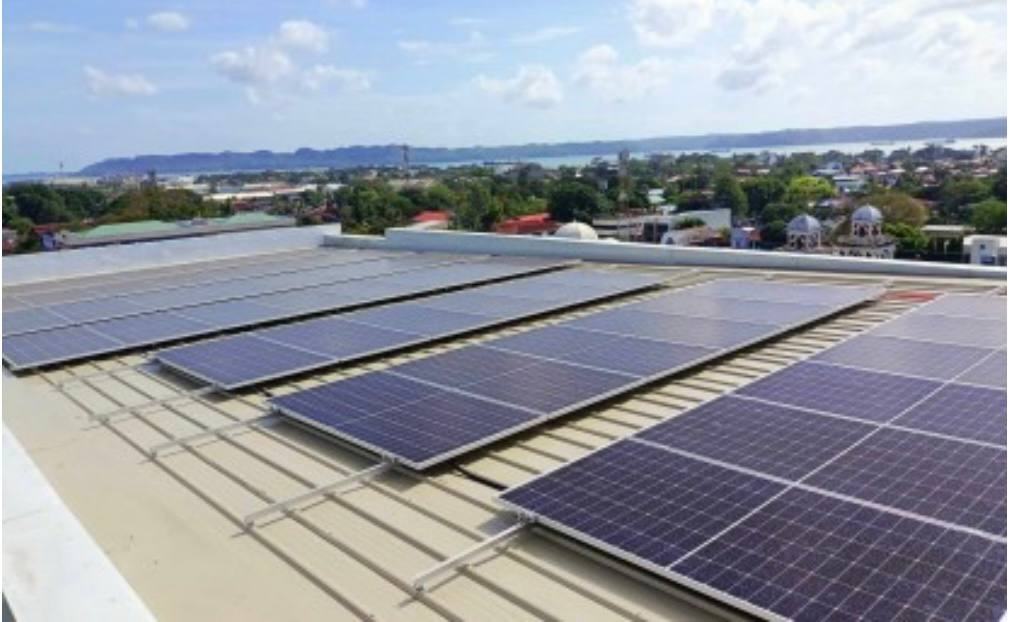
The payback time for rooftop solar systems in the Philippines has dropped significantly as electricity prices rise and panel costs fall, making the technology far more attractive to users, according to global energy think tank Ember.
From May 2025 to May 2026, residential payback fell from 4 years to 3.1 years; commercial systems from 3 years to 2.3 years; and industrial installations from 3.9 years to 3.1 years. This shift comes as power rates climbed 17 percent for homes, 18 percent for businesses, and 14 percent for industries, while solar installation costs dropped by roughly 10npercent.
Ember noted strong market interest: solar panel imports hit 5,068 MW in 2025 – over five times the capacity of large-scale solar plants installed that year. In just March–April 2026 alone, China shipped more than 3,000 MW of panels to the country. Surveys also show 82% of households were already interested in solar back in 2024.
With battery storage, rooftop solar is now cheaper than new coal plants – costing $55–$80 per MWh versus coal’s $87–$117 per MWh – and can be set up much faster. Current installed rooftop capacity nearly doubled to 1,300 MW by early 2026, but this is only 1 percent of the country’s huge potential of 106,000 MW.
To unlock full growth, Ember recommends three key steps: expand low-interest loan programs, allow small “plug-and-play” solar systems under 800 W, and support large-scale battery installations. Recent policy changes – faster approvals, new net metering rules, and updated market regulations – have already simplified deployment.
Experts say rooftop solar can help the Philippines cut reliance on fossil fuels, secure cheaper power, and avoid future energy shortages, as it strengthens the power grid while being built in days rather than years.