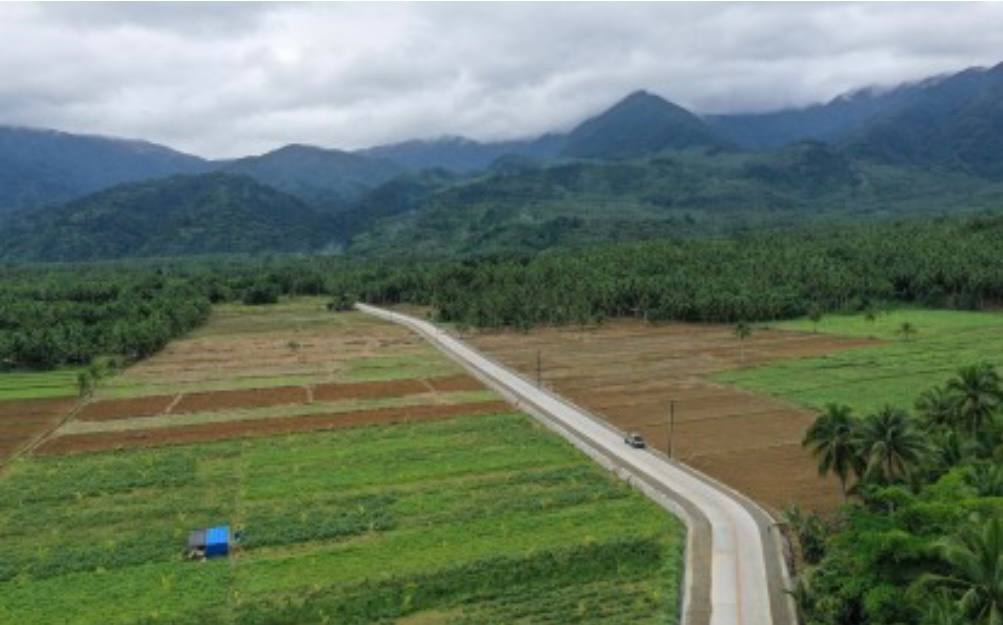
The Department of Agriculture on Wednesday (DA) said that the construction of major farm‑to‑market roads (FMR) under its program is set to begin by August this year, with bidding activities scheduled from June to July. In a briefing in Quezon City, DA assistant secretary and spokesperson Arnel de Mesa, who also chairs the Bids and Awards Committee (BAC) for large FMR projects, said preparations are already underway, including a pre‑procurement conference scheduled soon.
Under the 2026 General Appropriations Act, the DA was allocated ₱33 billion to fund around 1,600 new FMR projects nationwide this year. Among the key undertakings is a road network serving coffee plantations in Sultan Kudarat, estimated to cost between ₱1.5 billion and ₱2 billion, alongside planned large‑scale food hubs and cold storage facilities.
De Mesa explained that pricing will now be adjusted per kilometer based on local conditions, moving away from the previous uniform rate of ₱15 million per kilometer. Costs will vary depending on terrain, accessibility, and logistics—for example, projects in island areas, rolling terrain like Quezon Province, or Polillo Island will have higher budgets due to increased transport and handling expenses for materials.
Funds from the 2026 national budget remain valid until December 2027, giving the agency a two‑year window to complete funded projects. While the DA will serve as the main implementing body, it may partner with local government units or the Department of Public Works and Highways for areas where it faces implementation limitations.
Data from the DA’s transparency portal shows that from 2021 to 2026, total investment in FMRs reached ₱109.53 billion, covering 6,428 projects. Of these, 3,135 have been completed, spanning 2,399.85 kilometers. Despite ongoing efforts, the country still faces a backlog of about 60,000 kilometers of needed farm‑to‑market roads. These infrastructure links are vital to connect production zones, coastal areas, and post‑harvest facilities to markets and highways, with the goal of lowering transport and production costs and raising farmers’ incomes.
This program directly addresses critical infrastructure gaps in the agriculture sector, aiming to improve supply chain efficiency, reduce losses, and boost the profitability and livelihood of farmers and fisherfolk across the Philippines.