The Philippine Exporters Confederation, Inc. has pushed back against allegations that Philippine exports are linked to forced labor, warning that a proposed US tariff increase could unfairly penalize compliant businesses and workers.
The response came after the Office of the United States Trade Representative (USTR) proposed additional duties of up to 12.5 percent on imports from economies cited for failing to adequately prohibit or enforce restrictions on goods produced with forced labor.
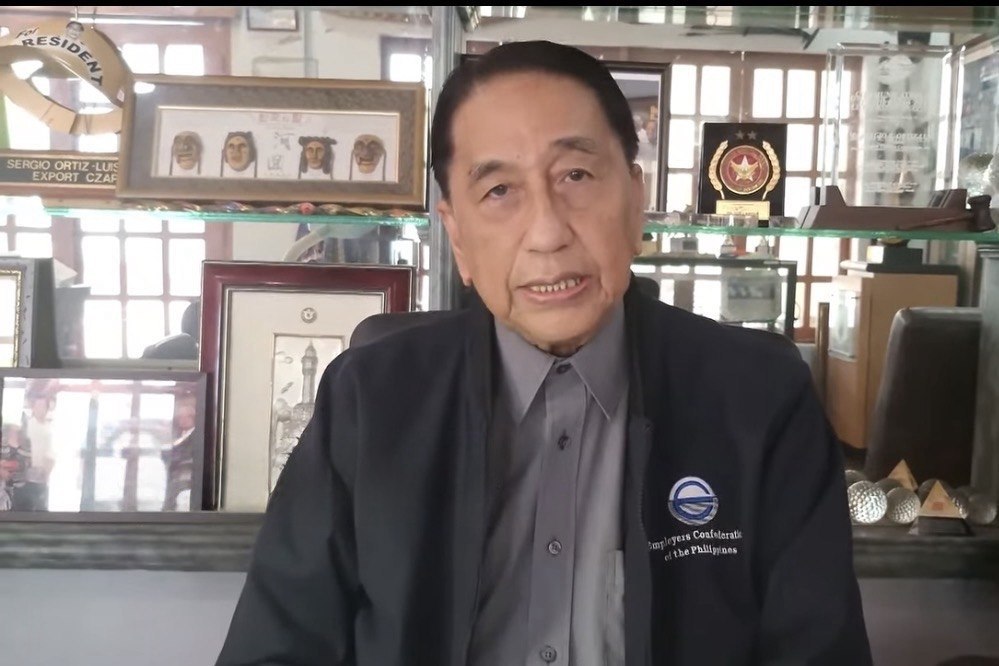
PHILEXPORT President Sergio R. Ortiz-Luis Jr. said Philippine exporters adhere to international labor standards, responsible sourcing requirements, and transparency rules demanded by global buyers.
“There is no such practice among our members. Philippine exporters are committed to ethical production and full compliance with labor standards required in global markets,” Ortiz-Luis said.
He urged US authorities to engage with both the Philippine government and the private sector before imposing broad trade measures, arguing that a blanket tariff approach could undermine legitimate exporters while disregarding reforms already implemented by the country.
The exporters’ group also pointed to a robust legal framework that criminalizes forced labor, human trafficking, involuntary servitude, and related abuses. These include the Anti-Trafficking in Persons Act and the Domestic Workers Act, which impose stiff penalties, including lengthy prison terms and substantial fines.
Ortiz-Luis further cited the Philippines’ commitments under key conventions of the International Labour Organization, including those covering the abolition of forced labor and workplace violence and harassment.
The proposed US action has heightened concerns among exporters, given the United States’ position as one of the Philippines’ largest export markets. Industry leaders fear additional tariffs could erode the competitiveness of Philippine goods at a time when manufacturers are already navigating higher operating costs and growing compliance requirements.
PHILEXPORT called for continued dialogue and evidence-based discussions, saying any trade action should be targeted and supported by clear proof rather than broad findings that could affect entire industries.