The Philippine financial system stayed resilient throughout 2025, with banks holding enough capital to absorb losses and strong capacity to support lending, according to the latest Financial Stability Report from the Financial Stability Coordination Council (FSCC). While the overall outlook remains sound, the report identified specific risks needing careful monitoring, including rising debt levels across industries, high property values, increased loans to large conglomerates, and growing unsecured consumer debt such as credit card balances. Additional threats include cyber security dangers and global tensions like the conflict in the Middle East.
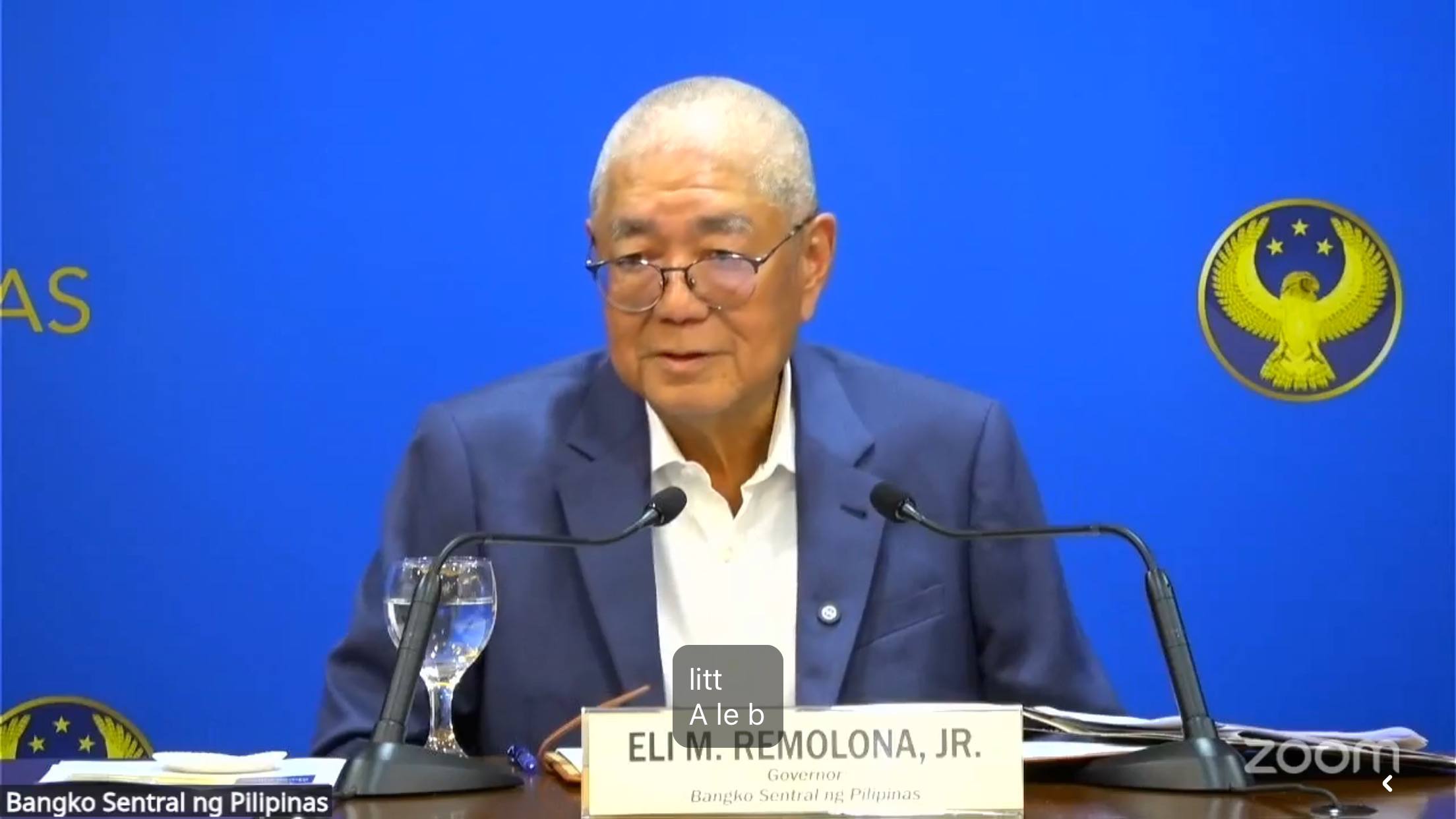
BSP governor and FSCC chairman Eli M. Remolona, Jr. emphasized that regulators will strengthen coordination, clarify when to escalate concerns, and improve how they share assessments of supervised entities. To address these vulnerabilities, the FSCC plans to introduce measures such as requiring extra capital buffers during economic upswings, tighter oversight of big corporate groups, better data tracking for non-bank financial firms, and a formal plan for managing systemic crises.
The FSCC brings together the BSP, Department of Finance, Insurance Commission, Philippine Deposit Insurance Corporation, and Securities and Exchange Commission. The full 2025 report is available for download on the websites of all member agencies.
This assessment confirms the country’s financial health remains solid, while outlining clear steps to prevent risks from escalating — supporting continued economic growth and protecting consumers and investors.