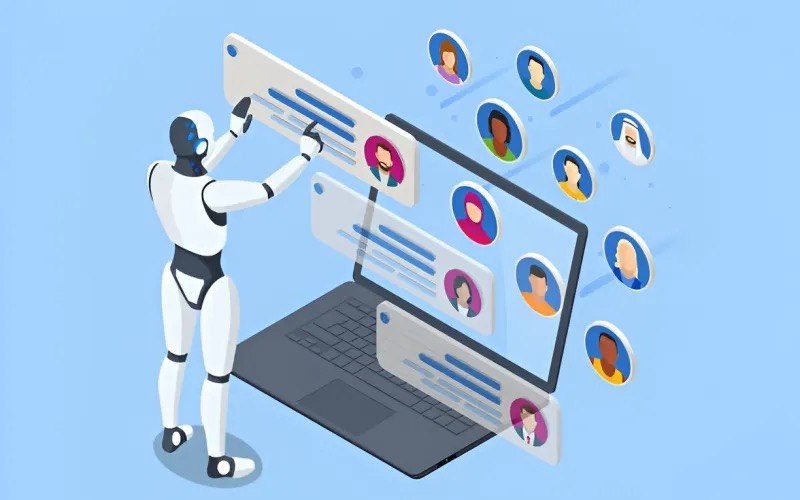
Artificial intelligence is rapidly transforming recruitment in the Philippines, changing how companies find talent and how job seekers position themselves in an increasingly competitive labor market.
What began as simple automation tools and chatbots has evolved into sophisticated recruitment systems capable of screening applicants, matching candidates to vacancies, generating interview questions, and optimizing resumes.
As businesses face mounting pressure to fill positions faster and more efficiently, AI-assisted hiring is emerging as a strategic advantage rather than a technological novelty.
Among the companies driving this shift is Bossjob, which is expanding its role from a digital job marketplace into an AI-powered recruitment platform. By integrating recruitment-focused AI assistants, the company aims to reduce manual hiring tasks while improving the quality of candidate matches.
The appeal is straightforward. Employers often sift through hundreds of applications for a single role, creating bottlenecks that slow hiring decisions. AI tools can analyze qualifications, skills, and experience in seconds, helping recruiters focus on the most relevant candidates.
This can shorten hiring timelines and reduce administrative workloads, particularly for companies managing large-scale recruitment needs.
Job seekers also stand to benefit. Bossjob’s AI roadmap includes resume enhancement tools that help applicants present their qualifications in a clearer and more recruiter-friendly format.
The platform is also leveraging large language models such as GPT, Gemini, and Claude to better interpret job descriptions and connect candidates with opportunities that match their capabilities and career goals.
The trend reflects a broader shift toward data-driven talent acquisition. Retailers and multi-location businesses, including firms such as Toby’s Sports, are increasingly exploring AI-enabled recruitment tools to improve hiring efficiency across multiple branches and locations.
Yet the growing reliance on algorithms raises important questions about transparency, bias, and accountability. Human judgment remains essential to ensure that technology supports rather than replaces fair hiring practices.
As artificial intelligence becomes embedded in recruitment workflows, the Philippine labor market is entering a new era where speed, precision, and personalization are becoming critical factors in connecting employers with the right talent.