The Department of Energy (DOE) is reframing the Philippines’ energy transition, shifting the focus away from sheer capacity expansion toward smarter, higher-impact renewable energy solutions that deliver broader economic, environmental, and social gains.
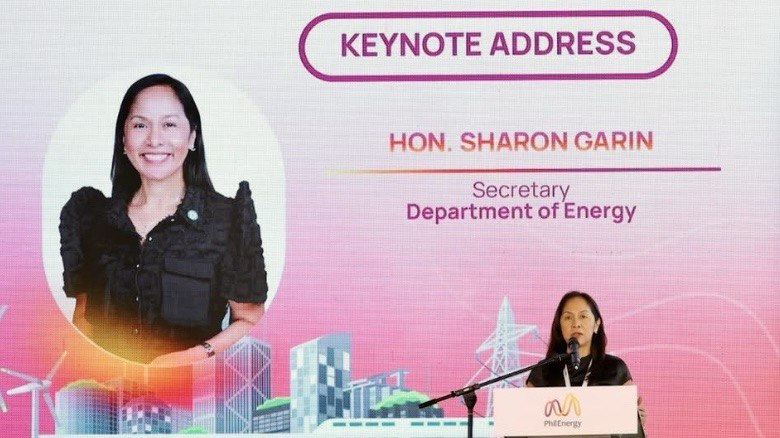
Speaking at the PhilEnergy Forum on June 24, Energy Secretary Sharon Garin said the government is no longer measuring success purely in megawatts installed, but in how effectively energy systems improve reliability, affordability, and sustainability.
“We don’t just want more megawatts. We don’t just want more solar panels. We want better solutions,” Garin said, underscoring a policy pivot toward integrated and innovation-driven energy planning.
Central to this approach is the promotion of agrivoltaics or agro-solar systems, which allow farming and solar generation to coexist on the same land. The model is seen as a way to ease land constraints while boosting farmer incomes and strengthening food-energy linkages.
The DOE is also scaling up its Green Energy Auction Program (GEAP), targeting an additional 25,000 megawatts of renewable capacity by 2026. The fifth round of the auction will focus on offshore wind projects with around 3.3 gigawatts on offer, while another tranche will allocate 400 megawatts for waste-to-energy developments.
Beyond solar and wind, the agency is widening its technology portfolio to include domestic gas, geothermal, hydrogen, battery storage, smart grids, and longer-term nuclear options, reflecting a more diversified energy security strategy.
Garin also highlighted emerging technologies such as AI-driven energy management systems and green hydrogen development, alongside continued nationwide energy efficiency initiatives aimed at reducing consumption intensity.
The shift signals a broader policy evolution: from rapid build-out of renewables to system optimization, where grid stability, land efficiency, and end-user access are treated as equally important metrics of success.
“Our energy transition must be measured not only by capacity,” Garin said, adding that the ultimate benchmark is how many Filipino households gain access to reliable, affordable, and sustainable electricity.