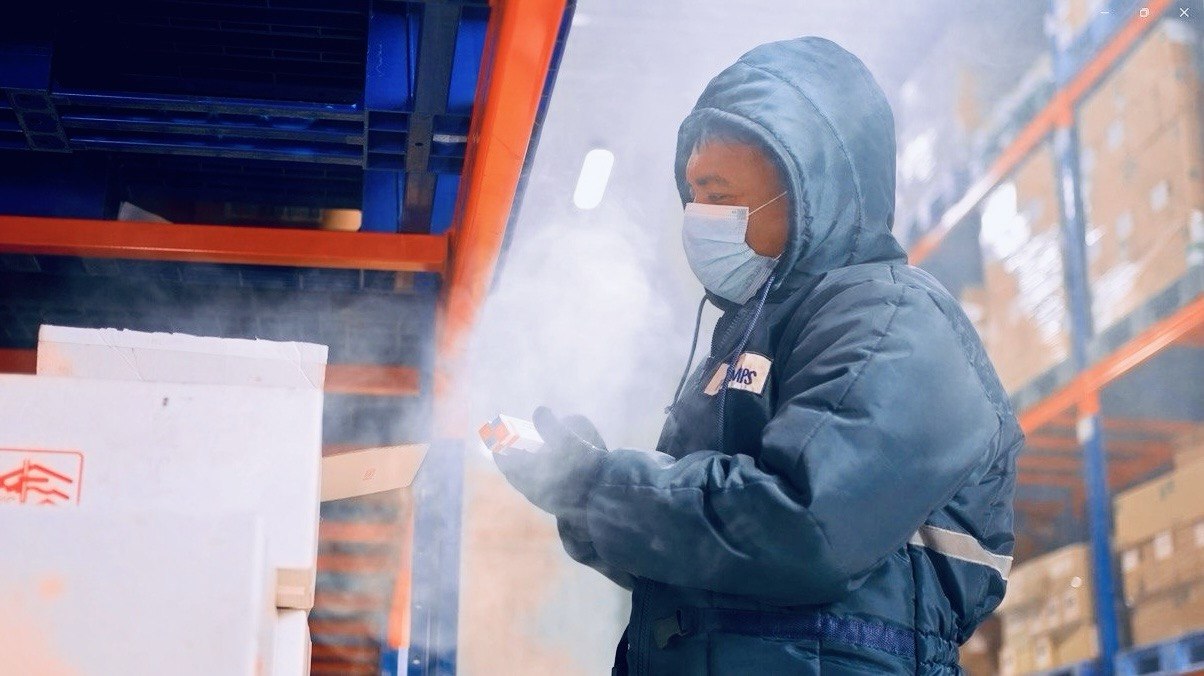
The Philippines can strengthen food security not by simply building more cold storage, but by bringing cold chain infrastructure closer to farms, expanding shared logistics, and using digital tools to move food more efficiently, according to logistics experts.
Speaking at the 2026 Mid-Year Food and Agribusiness E-Conference organized by the University of Asia and the Pacific-Center for Food and Agribusiness, FAST Logistics Group ColdChain Business Unit Head Marc Anthony Dizon said the country’s cold chain strategy should shift from centralized storage to a farm-to-market network that minimizes waste before food even reaches consumers.
“We need cold storage closer to where food is produced, while making these facilities accessible through shared logistics models that allow more farmers and food businesses to benefit from modern cold chain infrastructure,” Dizon said.
He noted that the Philippines needs roughly 1.4 million pallet positions to meet annual food demand but currently has only about 860,000, with much of the existing capacity clustered around Metro Manila rather than major agricultural areas.
Locating cold rooms and processing facilities near harvest sites would allow produce to be sorted, cleaned and processed before transport, reducing spoilage and cutting logistics costs by avoiding the shipment of waste and unnecessary weight, Dizon said. The approach would also lessen the need for expensive processing operations in urban centers.
He also advocated a shared cold chain model that would allow small and medium-sized farmers and agribusinesses to use refrigerated warehouses and transport services without heavy upfront investments, while maintaining separate storage environments for different commodities to protect food safety and quality.
Beyond infrastructure, Dizon said a comprehensive agriculture database supported by digital analytics would improve inventory visibility, demand forecasting and nationwide distribution.
“Food security is not just about producing more food. It’s about ensuring we have the logistics infrastructure and technology to preserve food quality, reduce waste, and move products efficiently from farms to consumers,” he said.
The proposals underscore a growing view that modern logistics—not just higher farm output—will determine the country’s ability to build a more resilient food system amid climate risks, rising fuel costs and supply chain disruptions.