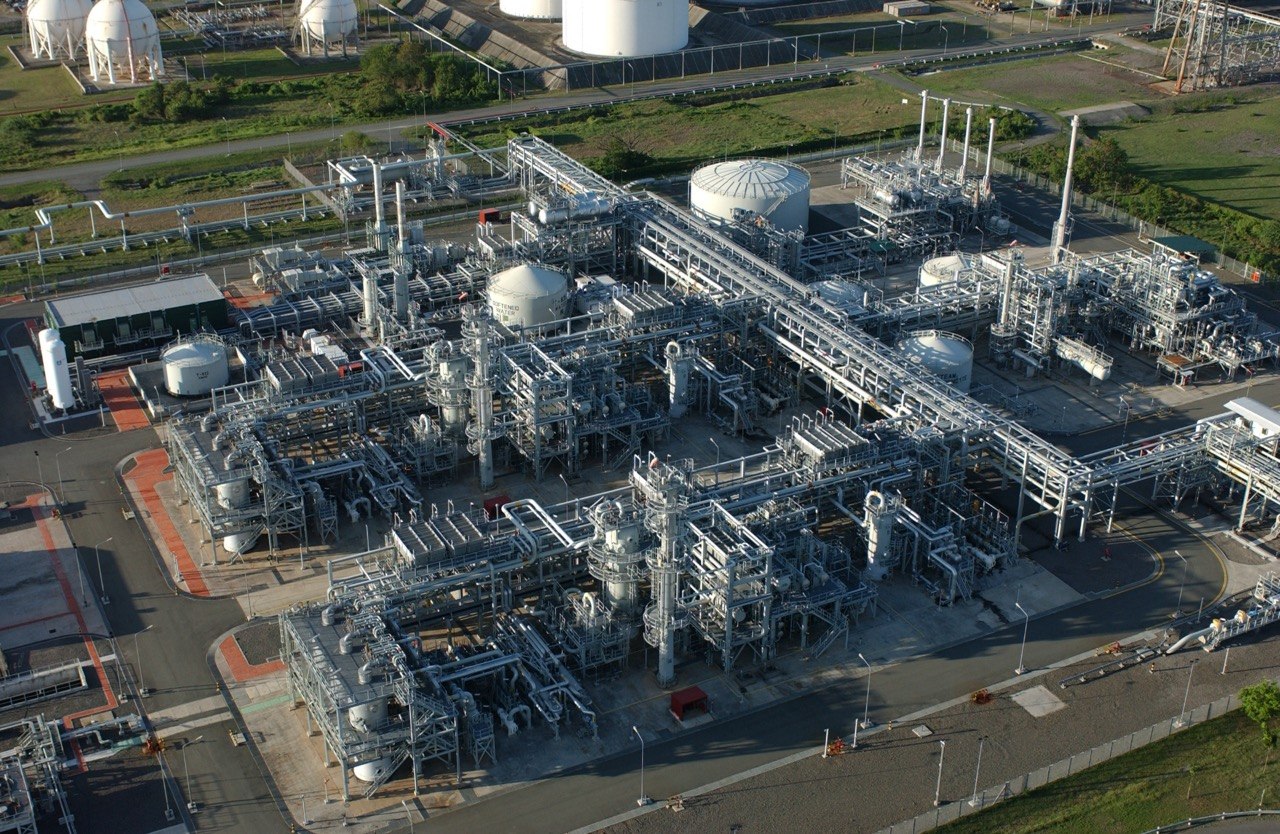
The Philippines has cleared a critical milestone in its drive for greater energy security after Prime Energy completed the month-long maintenance turnaround of the Malampaya Deep Water Gas-to-Power Project, restoring indigenous gas production and preparing the country’s biggest gas field for a fresh production boost later this year.
Natural gas deliveries resumed at 12:01 a.m. on July 15 after extensive maintenance and facility upgrades at Malampaya’s offshore Shallow Water Platform off northwest Palawan and its Onshore Gas Plant in Batangas City.
The shutdown did more than keep aging infrastructure in shape. It also readied the facilities for the long-awaited integration of the Malampaya East-1 and Camago-3 wells under the Malampaya Phase 4 (MP4) project, with first gas targeted in the fourth quarter of 2026.
The additional wells are expected to extend Malampaya’s producing life by as much as six years, bolstering fuel supply for gas-fired power plants that generate about a fifth of Luzon’s electricity while easing the country’s dependence on imported liquefied natural gas.
“Completing this turnaround safely is essential to maintaining the reliability of Malampaya’s operations and supporting the country’s energy needs,” Prime Energy President and Chief Executive Officer Donnabel Kuizon Cruz said.
Hundreds of engineers, technicians and contractors worked on offshore, subsea and onshore facilities during the maintenance campaign. Prime Energy also coordinated closely with the Department of Energy, the National Grid Corporation of the Philippines and power producers to minimize disruptions to the electricity grid.
The strategic value of Malampaya was underscored during Super Typhoon Inday, when indigenous gas from the field enabled Prime CoreGen power plants to continue operating after liquefied natural gas terminal operations were temporarily disrupted by severe weather.
With the maintenance completed and Phase 4 nearing production, Malampaya remains at the center of the country’s transition toward a more secure and lower-carbon energy mix, buying the Philippines more time as it develops new indigenous gas resources and expands renewable energy capacity.