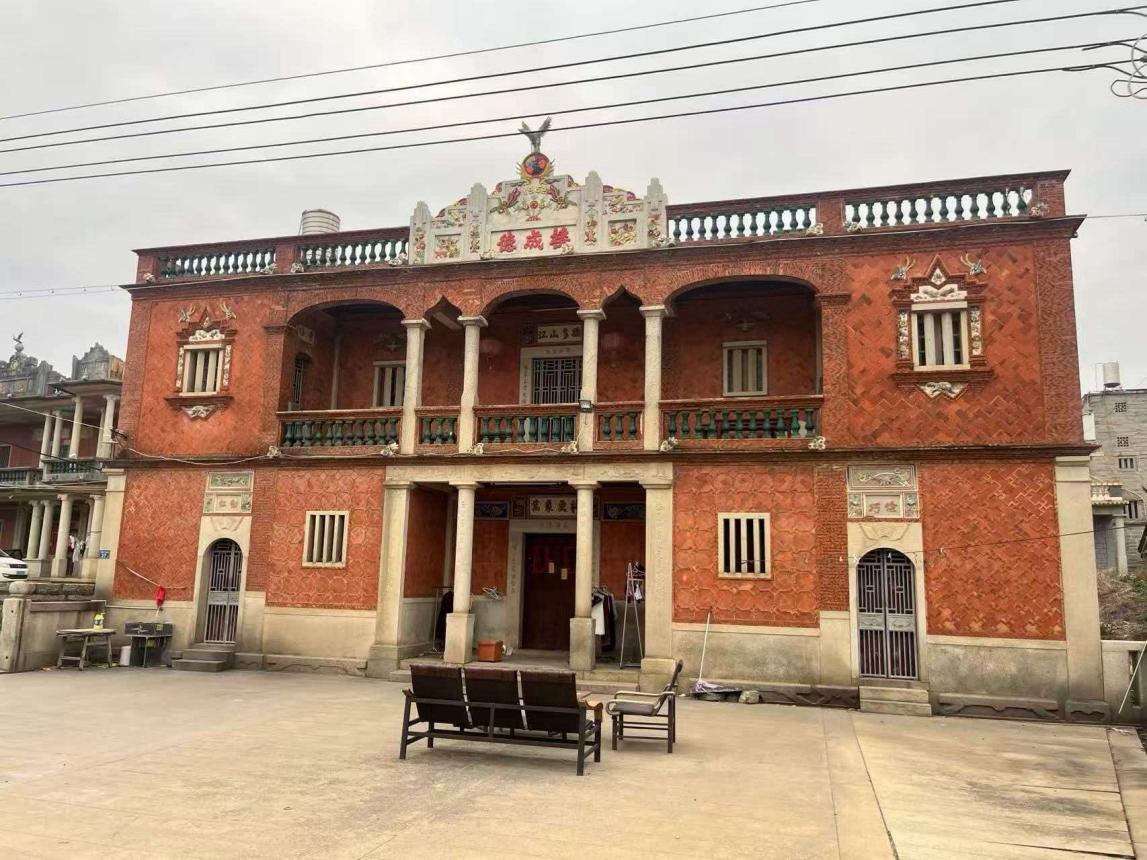
Long before the Sy name lit up skylines through malls, banks and skyscrapers, its story began in a quiet red-brick house in Hongxi Village, Jinjiang, China. There were no escalators, department stores or boardrooms then. Just a family home, a village and a dream waiting to cross the sea.
Known as the De Cheng Building, the ancestral residence of SM founder Henry Sy Sr. stands as a reminder that even the Philippines’ biggest business empire began with modest beginnings and an extraordinary leap of faith.
That leap started with Henry’s father, Sy Siu Tek, who left Fujian in the 1920s in search of opportunity in the Philippines, drawn by the promise of a growing economy under American colonial rule. He opened a tiny grocery on Calle Echague in Quiapo, Manila, barely two meters wide, where sacks of rice, canned sardines and other essentials filled the shelves. At night, the family slept on the store’s wooden counters because there was nowhere else to sleep.
At 12, Henry crossed the South China Sea by boat to join his father. The boy who left China would eventually build one of Southeast Asia’s largest business empires, but the road there was anything but smooth.
Then came war.
The Japanese occupation reduced the family’s tiny store to ashes. Their livelihood disappeared overnight. Heartbroken, Sy Siu Tek returned to China after the war. Henry, only 19, made the defining decision of his life. He stayed behind.
He began selling surplus American military boots and goods, gradually turning perseverance into opportunity. In 1958, he opened the first ShoeMart store in Manila. The modest shoe shop became the foundation of SM Investments, transforming Henry Sy into one of Asia’s most respected business leaders before his passing in 2019.
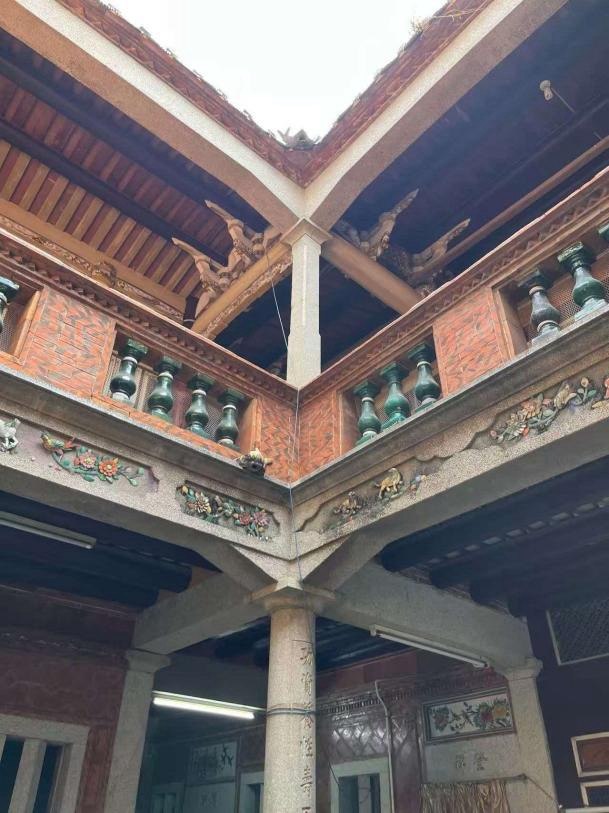
Ironically, the De Cheng Building was completed in 1953, five years before the first ShoeMart opened. Built for Sy Siu Tek and Tan O Sia, the two-story, 450-square-meter home reflected traditional Minnan Fan Zai Lou architecture, with red-brick walls, carved stonework, granite courtyards and porcelain mosaics. It was the home the family finally built after years of sacrifice, even as Henry’s future was taking shape in Manila.
The house never faded into history.
When Henry Sy Sr. returned to Hongxi Village in 2010, he personally oversaw efforts to preserve the ancestral home. Restoration was completed the following year, and local authorities later installed a historical marker recognizing the De Cheng Building’s significance. The family’s commitment has continued through waterproofing works in 2019, another round of restoration and termite treatment in 2025, and regular visits, including a 2019 homecoming by more than 30 members of the Sy family.
Today, the De Cheng Building remains more than a beautifully preserved heritage house. It is the opening chapter of a story that stretched from a quiet village in Fujian to the bustling streets of Manila and eventually to shopping malls that reshaped the Philippine landscape. Every empire has a headquarters. The Sy family’s first was simply called home.