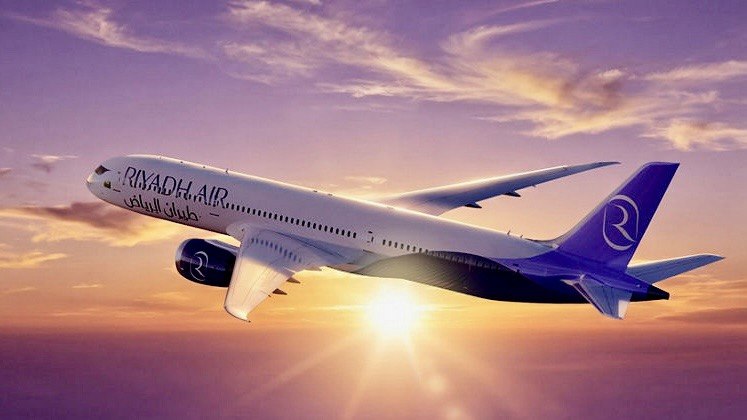
Saudi Arabia’s newest national carrier has officially opened bookings for its Manila route, adding fresh momentum to air travel between the Philippines and the Middle East while intensifying competition on one of the country’s busiest international corridors.
Riyadh Air announced that reservations are now available for its daily nonstop service between Riyadh and Manila, ahead of its inaugural flight on Sept. 9, 2026. The airline will operate the route using its Boeing 787-9 Dreamliner fleet.
The new service is expected to provide greater travel options for the more than one million Filipinos living and working in Saudi Arabia while also strengthening connectivity for business travelers, tourists and investors moving between the two countries.
Beyond serving overseas Filipino workers, the route reflects Riyadh Air’s broader ambition to establish Saudi Arabia as a global aviation hub under the Kingdom’s Vision 2030 strategy. By linking Manila to its expanding international network, the airline is positioning the Philippine capital as an important Southeast Asian gateway for passengers traveling to Europe, Africa and other destinations through Riyadh.
According to the airline, flights will depart Riyadh daily at 1:05 a.m. and arrive in Manila at 3:55 p.m. local time, with return services providing convenient schedules for both business and leisure travelers.
Riyadh Air is also pitching the Philippines as more than a labor market, highlighting Manila’s cultural heritage, vibrant food scene, shopping districts and modern city attractions to encourage inbound tourism.
The route’s launch comes as airlines continue to expand capacity between the Philippines and the Gulf, reflecting resilient demand fueled by labor mobility, trade and tourism. The additional daily service is expected to give travelers more choices while encouraging carriers to compete more aggressively on schedules, fares and onboard offerings.
For the Philippines, stronger air links with Saudi Arabia could extend beyond passenger traffic. Greater connectivity often supports deeper commercial ties by facilitating business travel, investment opportunities and tourism flows, reinforcing the growing economic relationship between the two countries as demand for international travel continues to recover.