Metropolitan Bank & Trust Co. is strengthening its digital banking defenses with new security features designed to give customers greater control over their money as fraudsters become more adept at exploiting stolen credentials and human error.
The enhancements come as phishing, account takeovers, and identity theft increasingly target bank customers. The Bangko Sentral ng Pilipinas said social engineering attacks accounted for 76 percent of reported cyber fraud losses in 2025, underscoring the limits of relying solely on traditional authentication.
Metrobank’s new tools add more intervention points between a suspicious account change and the movement of funds.
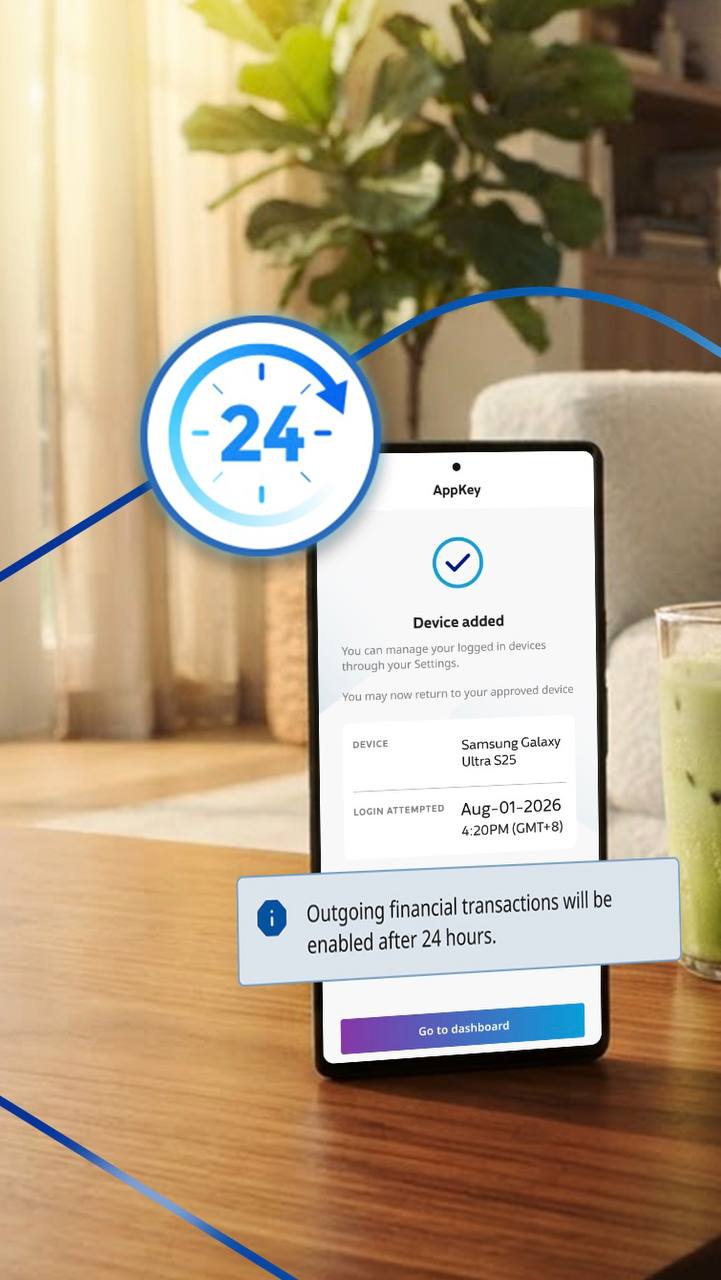
One feature is a 24-hour Cooling-Off Period that temporarily disables app transactions after critical security settings, such as passwords or registered devices, are changed. The buffer gives customers time to spot unauthorized changes and alert the bank before money can be transferred.
The bank has also introduced Money Lock, which allows customers to immediately set aside part or all of their available balance. Locked funds cannot be transferred or used for transactions until they are unlocked, providing a layer of protection if account credentials are compromised.
Its Geolocation feature checks transactions against the registered mobile device and its location, helping flag activity that appears inconsistent with a customer’s usual behavior.
Payee Verification provides another checkpoint by displaying a masked version of the recipient’s registered account name before a transfer is completed. The feature is designed to help customers catch mistaken or suspicious payments before funds leave their accounts.
The approach reflects a broader shift in digital banking security. Instead of placing the burden entirely on customers to recognize scams, banks are adding controls that can slow down transactions, restrict access, and give users opportunities to intervene.
The measures also support broader government efforts to combat financial scams under the Anti-Financial Account Scamming Act and BSP Circular No. 1213.
As digital banking becomes more deeply embedded in everyday transactions, security is increasingly becoming part of the product itself. Convenience may attract customers, but the ability to stop a fraudulent transaction before it is completed could determine how much they trust the system.