True financial inclusion requires moving beyond simple account ownership and digital transaction metrics to achieve meaningful financial health for all Filipinos, according to the Bangko Sentral ng Pilipinas (BSP).
While opening accounts and expanding digital payment channels remain critical entry points into the formal financial system, the central bank emphasizes that true inclusion occurs only when financial services are genuinely accessible, affordable, understandable, and useful. Under this policy vision, digital payments act as a doorway, enabling citizens to eventually access broader financial tools such as savings, affordable credit, investments, and insurance.
To translate this vision into policy, the BSP is actively targeting the primary barriers that keep Filipinos unbanked or underbanked. High transaction costs and rigid bank requirements have historically excluded low-income earners. In response, the BSP has championed Basic Deposit Accounts, which require an opening fee of no more than ₱100, demand no maintaining balance, and incur no dormancy charges.
To lower operational costs and improve convenience, the central bank also spearheaded the country’s interoperable digital payments infrastructure. Strategic programs like Paleng-QR Ph Plus have pushed cashless transactions directly into local economies, allowing market vendors, tricycle drivers, and small merchants to accept digital payments seamlessly.
However, central bank officials acknowledge that affordability and access address only part of the equation. Issues such as poor connectivity, limited physical access points, low digital literacy, and consumer skepticism continue to impede widespread adoption. To build trust and capability, the BSP established the BSP E-Learning Academy (BELA) alongside nationwide financial education initiatives, pairing literacy programs with stricter consumer protection frameworks and policy support for fintech innovation.
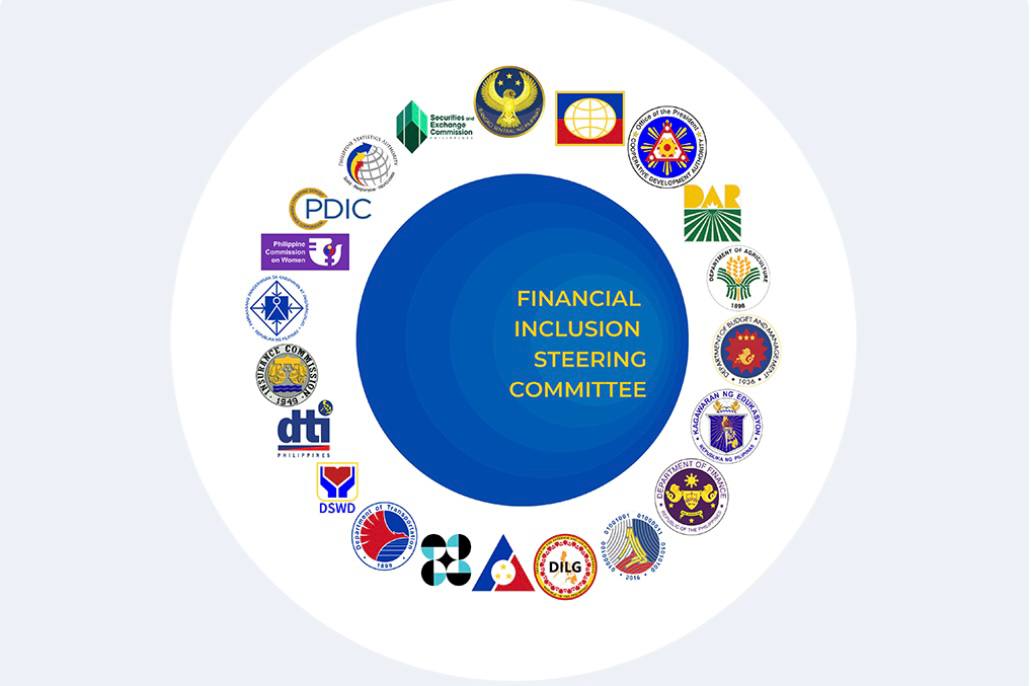
As the lead implementer of the National Strategy for Financial Inclusion, the BSP coordinates across government agencies and the private sector to ensure policy interventions yield tangible results. Ultimately, the central bank views financial access not as an end goal, but as a mechanism to build long-term economic resilience—helping everyday Filipinos manage daily expenses, absorb financial shocks, and secure their financial futures.