Fair pay, it turns out, is not quite the same thing as happy pay.
Filipino employees may believe they are being paid fairly, but a much smaller share say they are happy with their salaries, highlighting a growing challenge for employers trying to retain talent without simply throwing bigger raises at the problem.
The finding comes from JobStreet by SEEK’s 2026 Asia-Pacific Salary Report, based on a survey of more than 1,000 Philippine respondents in February.
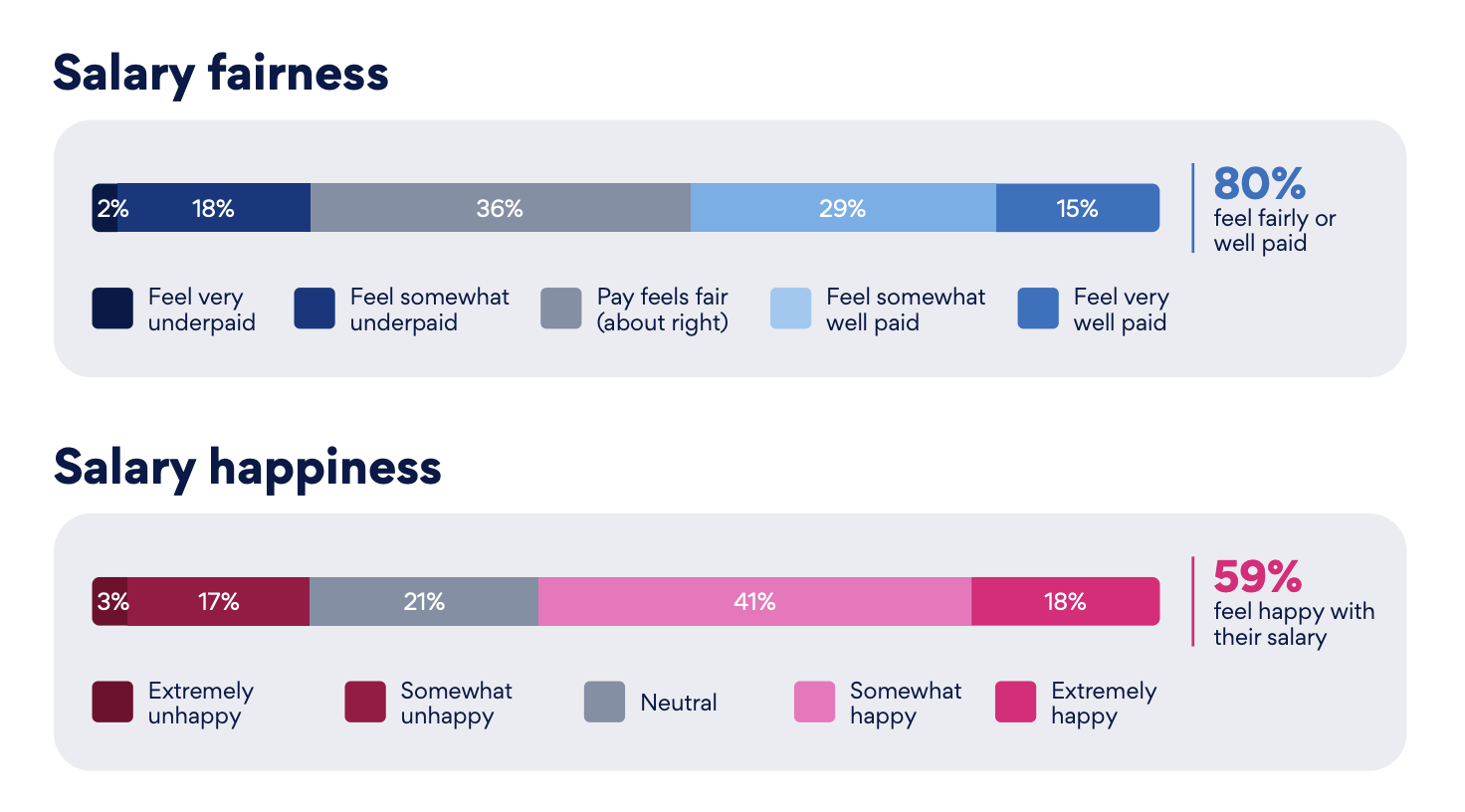
The numbers tell the story. While 80 percent of respondents considered their pay fair, only 59 percent said they were happy with their salaries.
Dannah Majarocon, managing director of JobStreet by SEEK Philippines, said employees may recognize that their compensation is broadly aligned with market rates while still feeling squeezed by rising living costs and financial demands.
For employers, she identified three priorities.
First, make pay more transparent. Regularly communicating salary benchmarks can help employees understand how their compensation compares with the market and reduce the suspicion that the payroll spreadsheet has a secret life.
Second, connect rewards to performance. Employees want to see a visible link between what they deliver and what they receive. The survey found that 78 percent of happy employees were associated with performance-related pay increases.
“It’s not just about putting in the standard company-wide increment. Employees need to know that when they perform well, they can get more,” Majarocon said.
Third, widen the definition of rewards. Benefits, workplace flexibility, and career progression increasingly form part of the employee value proposition.
Only 58 percent of respondents received a pay increase over the past year, while 60 percent of those who did received increases of 5 percent or less.
The lesson for employers is fairly simple. Pay fairness may keep employees from feeling shortchanged, but growth, recognition, and a sense of progress may be what keeps them happy.