The Philippines must move faster to convert investor interest into actual projects as global capital grows more selective amid geopolitical tensions and market volatility, HSBC Philippines said.
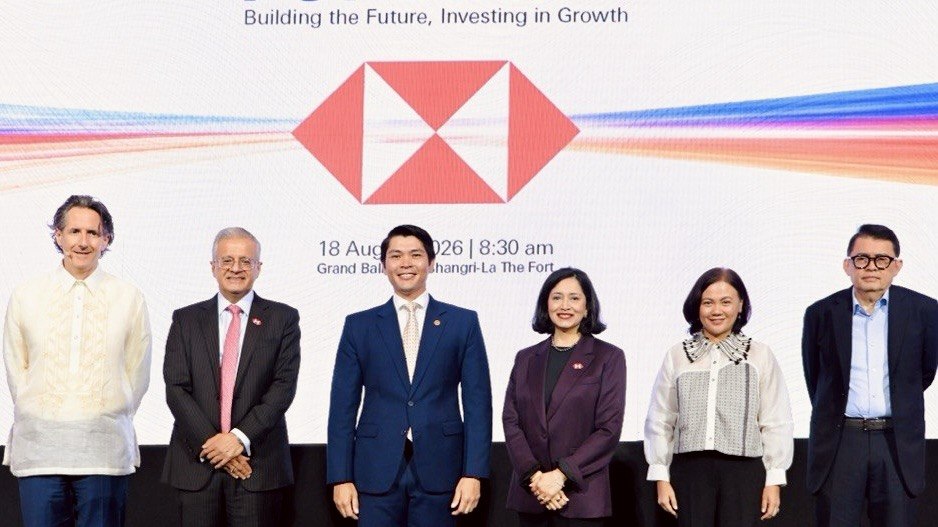
The call came during HSBC Philippines’ third annual Flagship Business Summit at Shangri-La at the Fort, which drew about 500 clients, business partners, government officials, media, and other stakeholders.
Under the theme “Philippines Forward, Building the Future, Accelerating Growth,” the summit zeroed in on investment opportunities that could move from the drawing board to implementation within the next six to 12 months.
Participants stressed closer government and private-sector cooperation, particularly through public-private partnerships (PPP), to turn promising opportunities into bankable projects capable of attracting both foreign and domestic capital.
“Global multinationals and international investors are asking how quickly opportunities in the Philippines can turn into projects they are able to finance,” said Priya Kini, HSBC managing director and head of banking, international markets, Asia.
“Our role is to connect them to those opportunities and to the people who can move them forward,” she said.
Speakers cited economic liberalization and reforms to improve ease of doing business as positive steps, but said the investment environment still needs stronger policy, regulatory, and infrastructure support to sustain momentum.
HSBC Philippines CEO and Head of Banking Sandeep Uppal said investors are already interested in the Philippines. What they need now is a more predictable route from interest to execution.
“What they are asking for is a clearer path from interest to projects they can commit to, and that path gets shorter when government and business work through the same set of priorities,” Uppal said.
That urgency is growing as countries compete for a smaller pool of increasingly cautious global capital. Investors are not just comparing returns. They are weighing how quickly projects can secure approvals, financing, infrastructure, and other requirements needed to get moving.
For the Philippines, the challenge is therefore shifting from attracting attention to closing the gap between opportunity and execution.
The payoff could be significant. Faster project delivery means faster investments, more jobs, stronger infrastructure, and greater economic activity.
The summit also featured global economic insights from HSBC Chief Asia Economist Frederic Neumann and a panel examining sectors with the strongest investment potential.