When water flows reliably from a household tap, few people think about the system behind it. Yet keeping water services running requires financing, technical expertise, sound governance, and strong institutions, with the Local Water Utilities Administration playing a central role.
As President Ferdinand R. Marcos Jr. pushes government toward a more proactive and predictive approach to resilience, LWUA is working with local water districts to strengthen the capabilities needed to provide reliable and sustainable services amid rising demand, climate risks, aging infrastructure, and emergencies.
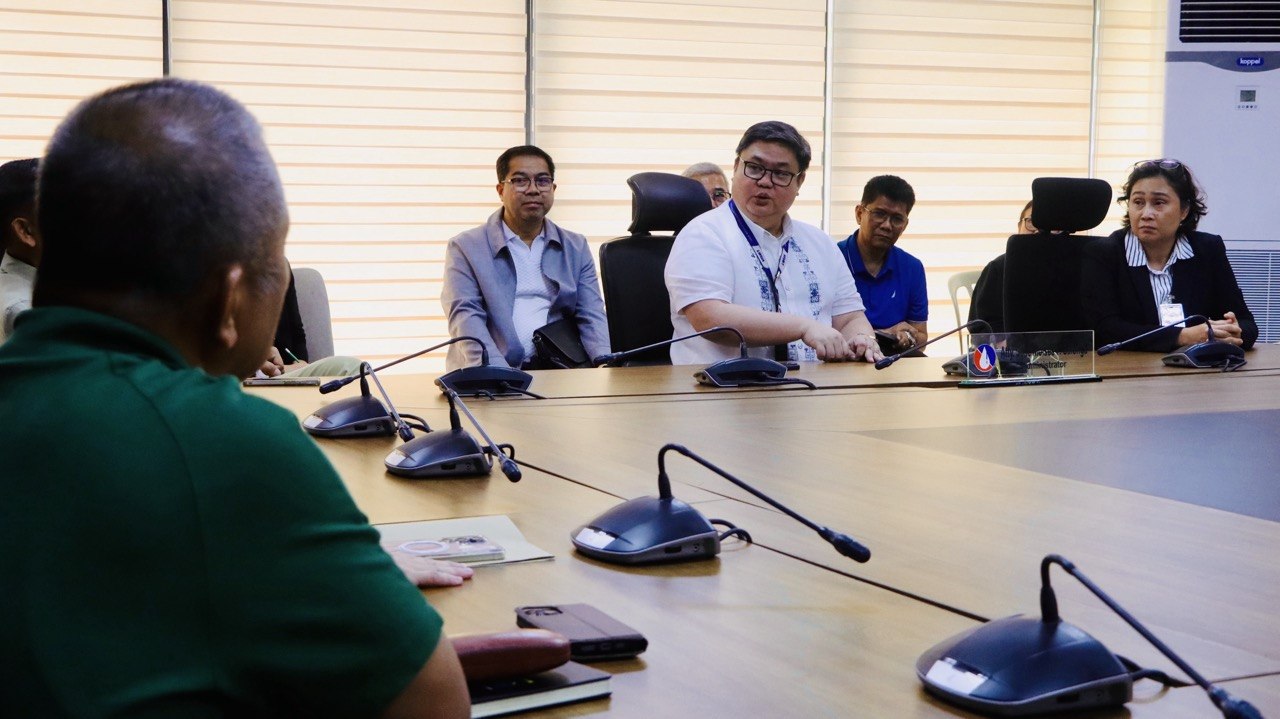
“Water security begins with strong local water districts. Our role at LWUA is not simply to oversee local utilities, but to help them become more capable, financially sustainable, and responsive to the communities they serve. When water districts succeed, the Filipino people benefit,” LWUA Administrator Atty. Jose Moises “Joy” F. Salonga said.
The need for stronger local utilities was underscored by Marcos in his State of the Nation Address, where he cited efforts to restore water supply, along with power, communications, and roads, in communities hit by disasters. He also stressed the importance of building infrastructure that is durable and delivers long-term benefits.
Created more than five decades ago under Presidential Decree No. 198, LWUA was established to promote, develop, and finance local water utilities outside Metro Manila. Its mandate covers technical assistance, training, standards, monitoring, institutional development, and lending.
As of April 2026, LWUA and local water districts collectively provided access to safe water through about 6.06 million service connections, benefiting an estimated 24.8 million Filipinos.
Institution-building is also translating into measurable improvements. In 2025, Sagay Water District in Negros Occidental, along with Bayawan Water District and Bais City-Mabinay Water District in Negros Oriental, advanced from Category C to Category B, reflecting stronger operational and institutional capacity.
In Mindanao, 61 of 117 water districts improved their non-revenue water performance, with 29 bringing water losses below 20 percent. Lower losses mean more water reaches households and businesses.
LWUA’s Task Force El Niño further illustrates the shift toward preparedness. Its four pillars focus on climate-resilient water systems, operational preparedness and demand management, standardized operating procedures, and stronger monitoring, technical assistance, and financial support.
For LWUA, the broader goal is clear. Stronger water districts mean stronger communities, making institutional capacity an essential part of the country’s long-term water security.