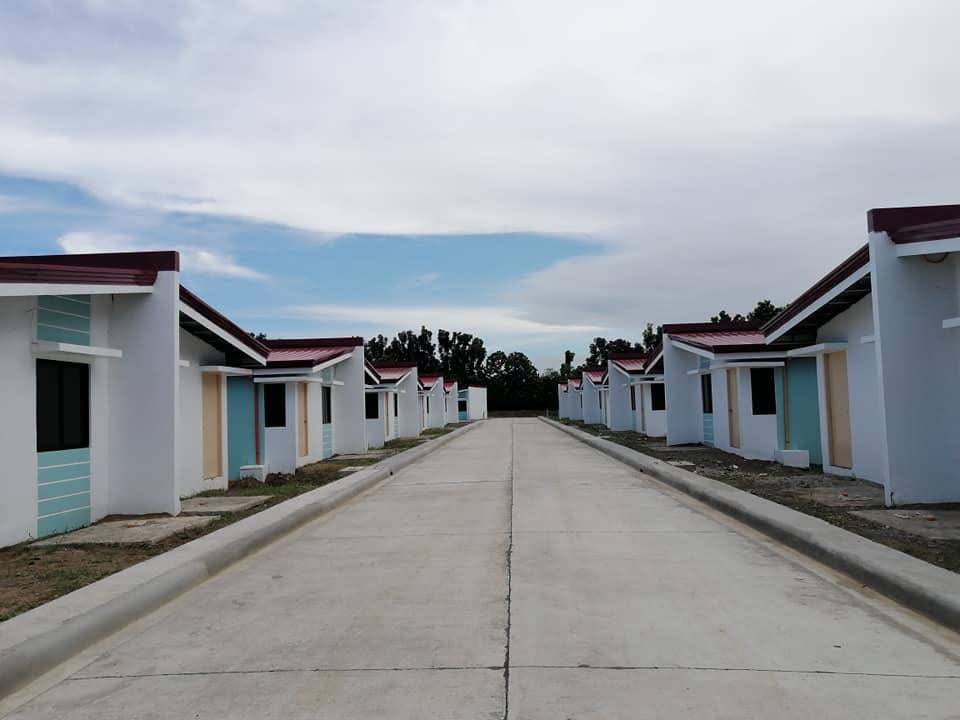
The Philippine housing sector could record its highest number of residential units issued licenses to sell (LTS) in five years in 2026, as stronger developer activity and expanded government housing initiatives support prospective supply , growth, according to the Department of Human Settlements and Urban Development (DHSUD).
DHSUD Secretary Jose Ramon Aliling said monthly averages of applications and approvals indicate that the number of units granted licenses this year could exceed annual totals recorded since 2022.
An LTS authorizes developers to market and sell residential properties, providing an indicator of potential housing supply. However, licenses do not necessarily translate into completed homes or guarantee affordability for buyers.
Aliling attributed the outlook partly to the expanded Pambansang Pabahay para sa Pilipino (4PH) Program, which offers a wider range of housing and financing options. These include subsidized Pag-IBIG housing loans with interest rates of 3% for socialized housing, 4.5% for loans of up to P4.9 million, and 5.75% for loans of up to P10 million, or P20 million for qualified joint borrowers.
The government has also expanded community mortgage, rental housing and temporary shelter initiatives to serve families unable to purchase homes and those displaced by disasters.
Speaking at the opening of the second National Housing Expo on October 19 at the SMX Convention Center in Pasay City, Aliling highlighted growing industry participation. More than 80 developers showcased over 50,000 ready-for-occupancy units, up from around 40 participating developers at last year’s inaugural event.
Nearly 40,000 prospective visitors registered online, double last year’s approximately 20,000 attendees. President Ferdinand Marcos Jr. also visited the expo, which features discounted properties, buyer incentives and on-site Pag-IBIG financing assistance.
Despite the upbeat indicators, sustained growth will depend on whether prospective supply translates into accessible, affordable homes. Financing terms, household purchasing power and developers’ confidence remain important considerations.
Aliling emphasized that a credible, dependable housing program is essential to maintaining the trust of developers and homebuyers as the sector pursues broader housing access.