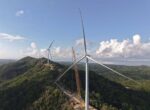
The Philippines’ investment approvals surged to P900.06 billion in the first nine months of 2026, driven overwhelmingly by energy projects and bringing the Board of Investments (BOI) closer to its P1-trillion full-year target.
Approvals from January to September rose 53.05 percent year on year, equivalent to 90 percent of the agency’s 2026 goal. The 207 approved projects are expected to generate 21,524 jobs, although the employment outlook remains heavily concentrated outside the dominant investment sector.
Electricity, gas, steam and air-conditioning supply accounted for P740.14 billion, or 82.23 percent of total commitments, marking a 75.2-percent increase from P422.34 billion a year earlier. Major hydropower, wind, solar and other energy developments fueled the expansion.
Yet the sector’s outsized capital requirements translated into a comparatively modest employment contribution. Energy projects are projected to create just 1,903 jobs, less than a tenth of the total expected from all approved investments. The disparity underscores how investment value alone may not capture the broader economic benefits of the project pipeline.
September provided an additional boost, with approvals reaching P278.21 billion, nearly five times the P56.49 billion recorded in the same month last year. The 27 projects approved during the month are expected to generate at least 2,068 jobs.
“The surge in investment approvals recorded during the first nine months of 2026 reflects growing investor interest in the Philippines as a premier destination for growth and expansion,” Trade Secretary and BOI Chair Cristina Roque said.
Domestic investors accounted for P808.96 billion, or nearly 90 percent of approved commitments, up 60.5 percent year on year.
Other leading sectors included real estate, with P46.66 billion; transportation and storage, P36.47 billion; information and communication, P18.36 billion; and manufacturing, P14.86 billion. The Cordillera Administrative Region led geographically, attracting P218.48 billion in commitments.
With three months remaining in the year, the BOI is within reach of its target. However, approvals represent planned investments, not completed spending, and projected jobs will depend on whether the proposed projects proceed to implementation.