Thirty-four business and civil society groups have urged Congress to strip unsupported project insertions from the proposed P7.2-trillion 2027 national budget, warning that questionable allocations could derail priority infrastructure, raise logistics costs, and weaken investor confidence.
In a joint statement dated Oct. 29, the groups flagged more than P180 billion in Department of Public Works and Highways (DPWH) allocations added through the House’s Budget Amendments and Review Subcommittee.
Citing independent budget watchdogs, they said the additions cover at least 6,000 projects, pushing the department’s proposed project count to at least 16,000. Many involve lump-sum allocations for multipurpose buildings and access and bypass roads without publicly available project lists or identified proponents.
The groups said the additions were reportedly financed partly by cuts of about P130 billion from foreign-assisted projects, P9.5 billion from calamity funds, P1.76 billion from the EDSA Busway, and P4.9 billion from health programs.
“Cutting them delays the high-impact projects that lower logistics costs and attract investments,” the statement said of foreign-assisted infrastructure.
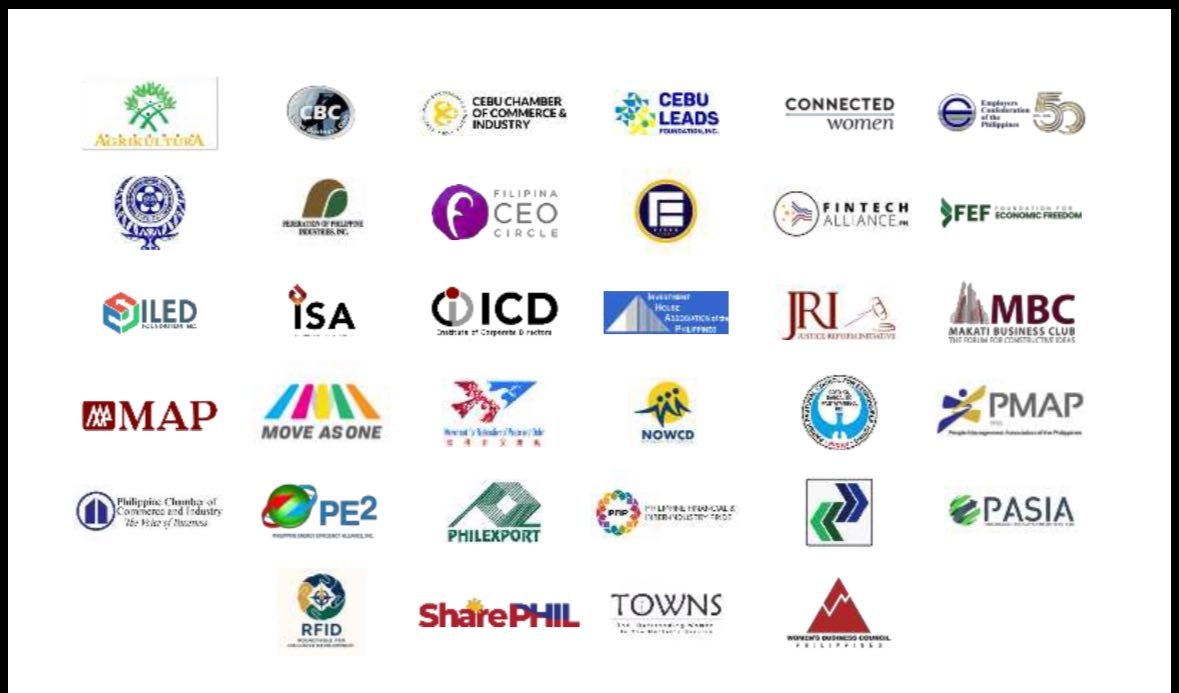
Signatories include the Philippine Chamber of Commerce and Industry, Makati Business Club, Management Association of the Philippines, and Federation of Philippine Industries, alongside employers, exporters, and governance advocates.
They urged lawmakers to retain only projects backed by feasibility studies or detailed engineering designs, aligned with agency master plans, and ready for implementation in 2027. They also called for restoring reduced allocations to the levels proposed in the National Expenditure Program unless Congress publicly justifies each cut.
To improve accountability, the groups demanded disclosure of every amendment’s project, location, amount, funding source, justification, and legislative proponent before the Senate’s second-reading vote and bicameral deliberations.
They also opposed provisions allowing agencies to replace projects after enactment and called for fully livestreamed bicameral sessions, with no new items, blank entries, or lump-sum allocations.
While welcoming congressional leaders’ transparency pledges, the groups stressed that scrutiny need not delay passage.
“Our call is not for delay,” they said, backing timely approval while opposing a reenacted budget.